A simple question with complex answers
If you could have just one wish to improve widening access and participation in higher education, what would it be?
The answers are as varied as the sector itself. Some might prioritise increased funding for outreach or large-scale school interventions to raise attainment. Others may call for better evaluation of widening participation initiatives or stronger regional collaboration.
You might call for changes to the Access and Participation Plan criteria. You may favour free university tuition and more generous maintenance support for those with the least financial resources. Or perhaps you would support a more radical approach, such as Tim Blackman’s idea of the “comprehensive university” model – where every institution is required to admit students from the full range of academic backgrounds, mirroring the ethos of comprehensive schools today. That would certainly shake things up.
A renewed focus on access
The government is currently wrestling with the issue of widening access to higher education through its Higher Education Access and Participation Task and Finish Group, which aims to produce a range of practical recommendations and policy proposals over the coming next year.
I have the honour of serving on its specialist team, which examines barriers to access and notions of belonging. The UPP Foundation undertook its own widening participation inquiry last year and put forward a number of policy recommendations, some of which have featured in recent government policy.
Turning ideas into action
Through the UPP Foundation, we support initiatives that promote student inclusion and belonging across the higher education sector. One example is a student-led tutoring programme based at the University of Exeter, where university students deliver small-group teaching in local schools.
We also back an Energy Advice Centre headquartered at London South Bank University, which is now expanding to other higher education institutions, including the University of Reading. In this initiative, students work with their peers to help reduce energy costs and carbon footprints.
As the Foundation’s principal funder, UPP also supports practical initiatives that widen access to higher education. These include funding free accommodation for care-experienced students at Nottingham Trent University, as well as a Henley Business School summer school that encourages school pupils, particularly those from disadvantaged backgrounds, to consider careers in the property industry.
Why the student experience matters
Widening access is not only about who gets into higher education, but also about the experience students have once they arrive.
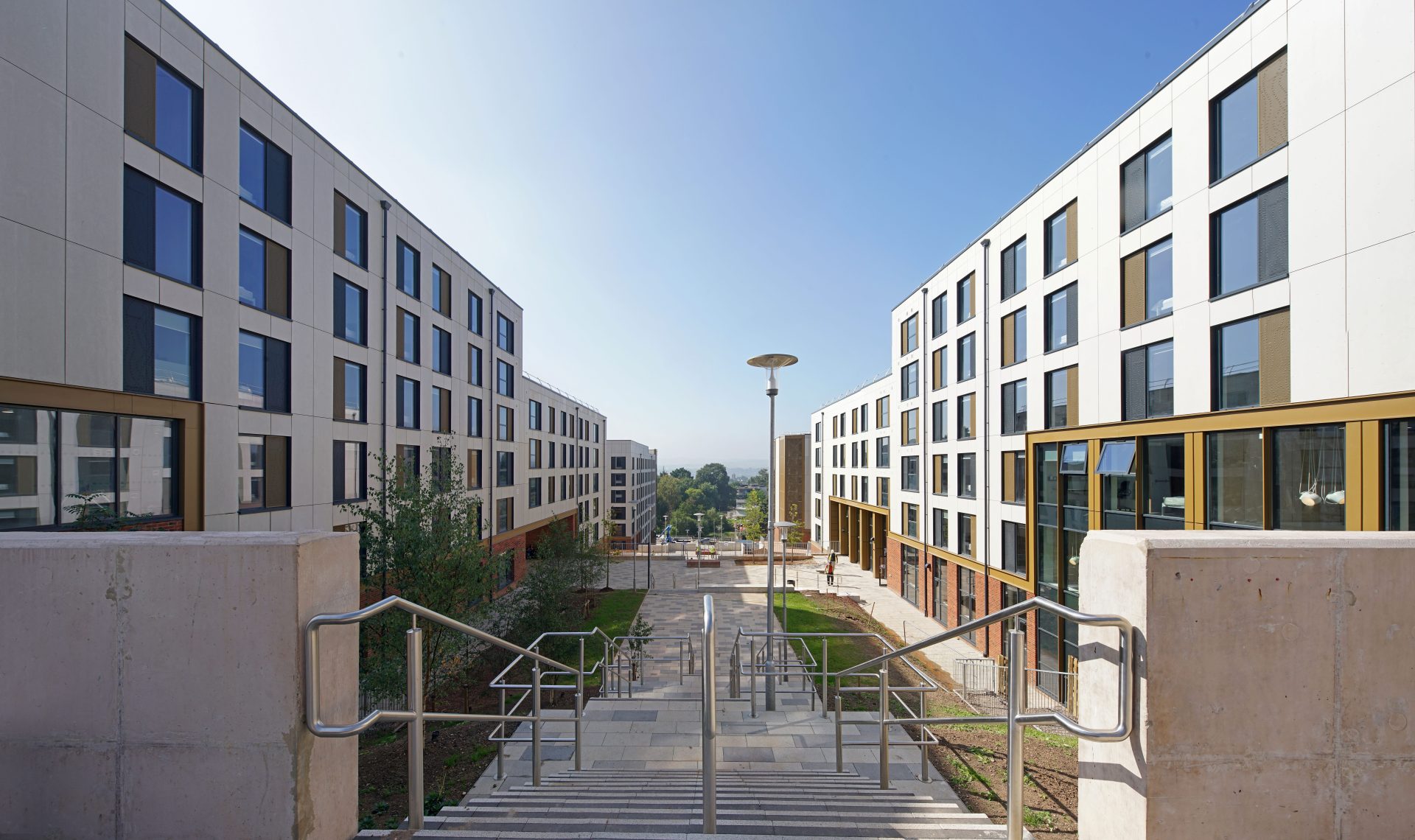
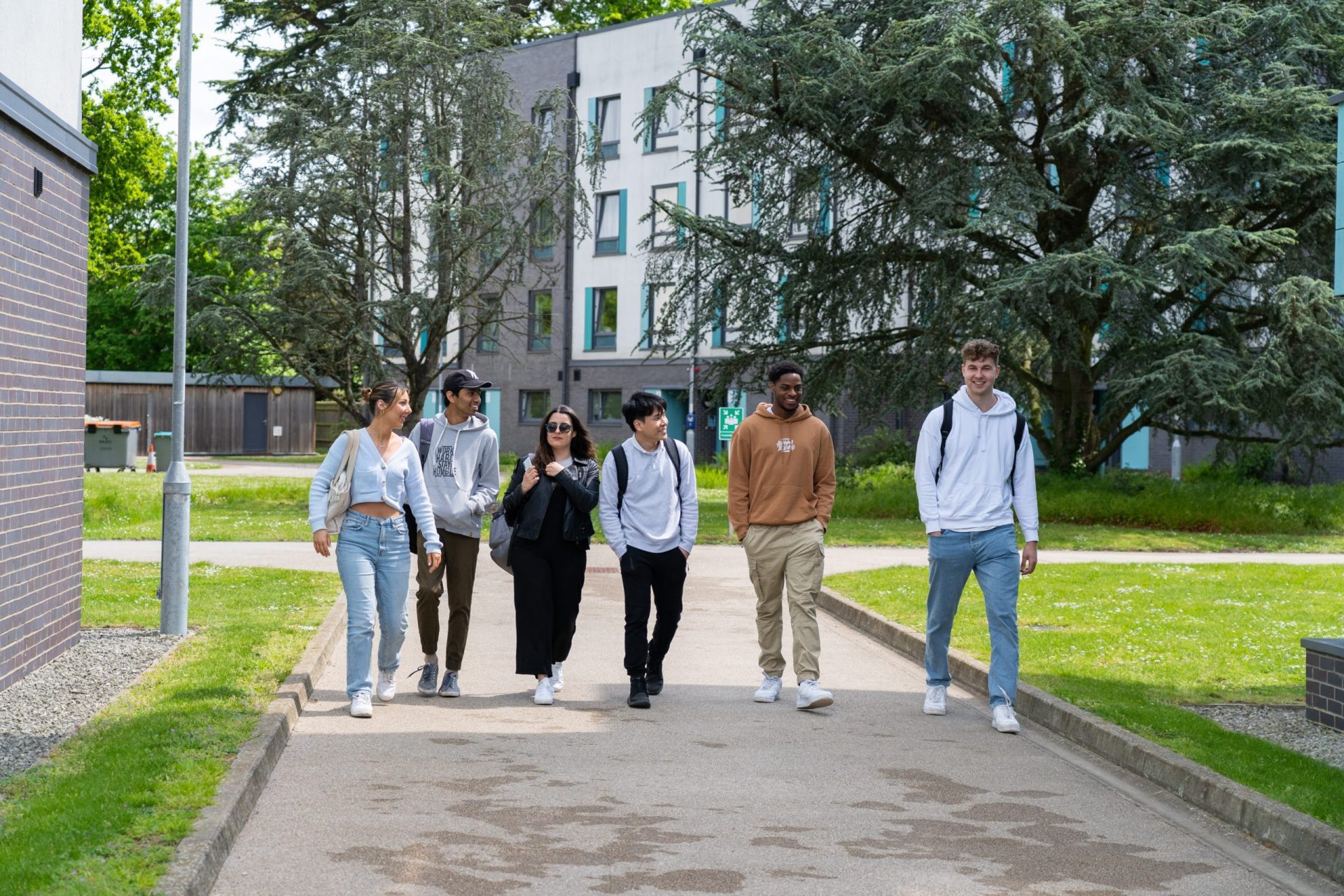
At UPP, we champion the residential student experience and encourage the sector to articulate the significant value of students immersing themselves in campus life. While we recognise the need for a diverse higher education sector, and that university and family finances are under pressure, evidence from the Office for Students shows that residential students often achieve stronger outcomes than those who commute.
The decisions we make now will determine whether widening access becomes a reality for the next generation – or remains an aspiration.