There was a palpable energy at this year’s AHUA conference, reflecting both the intensity of the challenge facing the sector and a quiet confidence in its ability to adapt. Hosted at the University of Exeter and chaired with characteristic warmth and challenge by Professor Helen Galbraith, the event brought together university leaders and professional services teams navigating a higher education landscape defined by profound change.
UPP is proud to be part of the conversations shaping the future of the sector. These focused on resilience, responsibility and the long-term value universities create for people and communities.
Pressure, pace and priorities
Across plenaries and corridor conversations, several themes kept resurfacing. The race towards 2030 net zero is no longer a distant ambition but an immediate operational priority. Estates strategies are evolving rapidly, with sustainability no longer a differentiator but an expectation. At the same time, attracting and retaining talent remains a pressing challenge, made harder by the sheer pace of change universities are being asked to deliver.
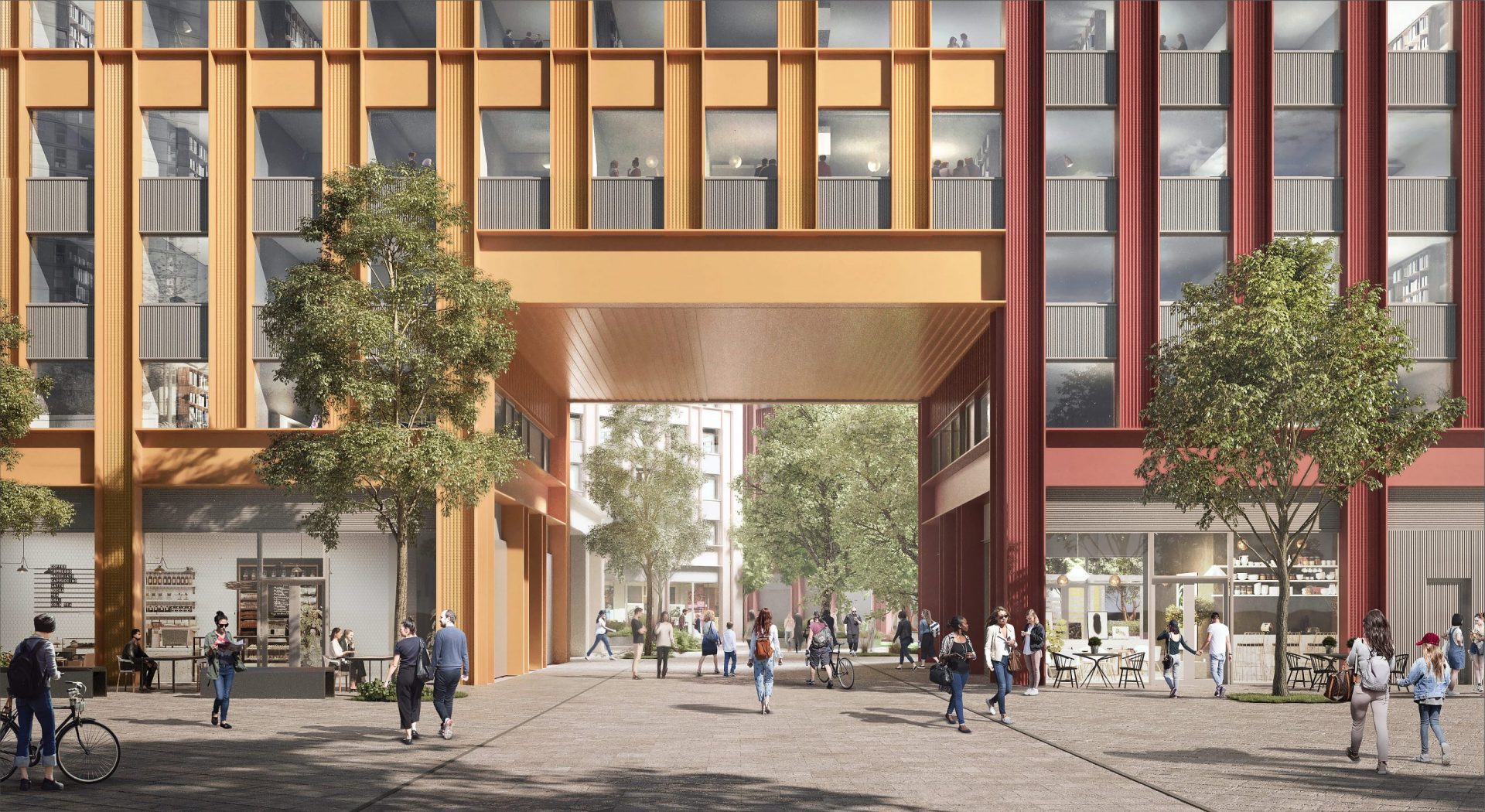
It was a timely coincidence that the conference drinks overlooked UPP’s West Park development, delivered to Passivhaus standards in line with the University of Exeter’s ambitious sustainability goals. It provided a tangible example of how long-term partnership can translate strategy into reality.
As several speakers reminded the delegates throughout the conference, was the need to reclaim the meaning of “transformation”. Transformation is not simply about cost reduction; it is about purposeful leadership, building capability, and empowering people to shape real change.
Rebooting strategy for the long term
One speaker offered a helpful framing: finding the “sweet spot” between today’s immediate pressures and a 30–40-year strategic horizon. International volatility, shifting politics and regulation, and demographic change all sit in the background. Yet the sector also has agency: powerful networks, deep community ties, and the ability to form the kind of partnerships that unlock new value, between further and higher education, across institutions, and with business and government. The message was clear: you can’t go it alone. Collaboration will not be optional in the years ahead; it will be essential.
AI, opportunity, risk and readiness
Technology was another consistent theme, described as both opportunity and risk. From AI enabled tools that reduce administrative burden to the need for stronger governance, impact assessment and change management, discussions moved well beyond software.
The focus was firmly on digital capability at board and executive level, alongside the importance of maintaining momentum from the step changes many institutions have made in recent years. As several speakers noted, being clear about what you want to achieve matters more than chasing first mover advantage. Clarity of outcomes, discipline in execution and openness to learning will define success.
Space, belonging and the student experience
Against this backdrop, UPP’s breakout session was packed, with the University of Oxford’s Reverend Canon Professor William Whyte as our speaker.
With his trademark blend of scholarship and practical insight, he encouraged the room to step back from immediate noise and reflect on what makes universities distinctive, and how the spaces they steward shape culture, experience and belonging.
How to plan for the long term while responding to near-term constraint; how to keep the “why” visible when decisions become difficult; and how partnership approaches can protect quality, safety and student experience without losing agility. These are not abstract questions; they are the defining challenges of the moment.
What comes next
If there was a single takeaway from AHUA 2026, it is this: The sector is under pressure, but it is not without direction. The future will be shaped not by isolated institutions, but by those willing to collaborate, think long term and are bold.
The conference closed with a lively plenary on free speech.
A fitting conclusion and a reminder that universities must remain spaces for open, respectful and sometimes challenging dialogue. While views differed, the discussion reinforced the importance of clarity, kindness and thoughtful engagement as foundations of thriving academic communities.
We leave Exeter with new connections and perspectives and a renewed commitment to working alongside our university partners, supporting them not just in navigating change, but in shaping what comes next.