Reflections from this year’s CUBO Residence Life Conference
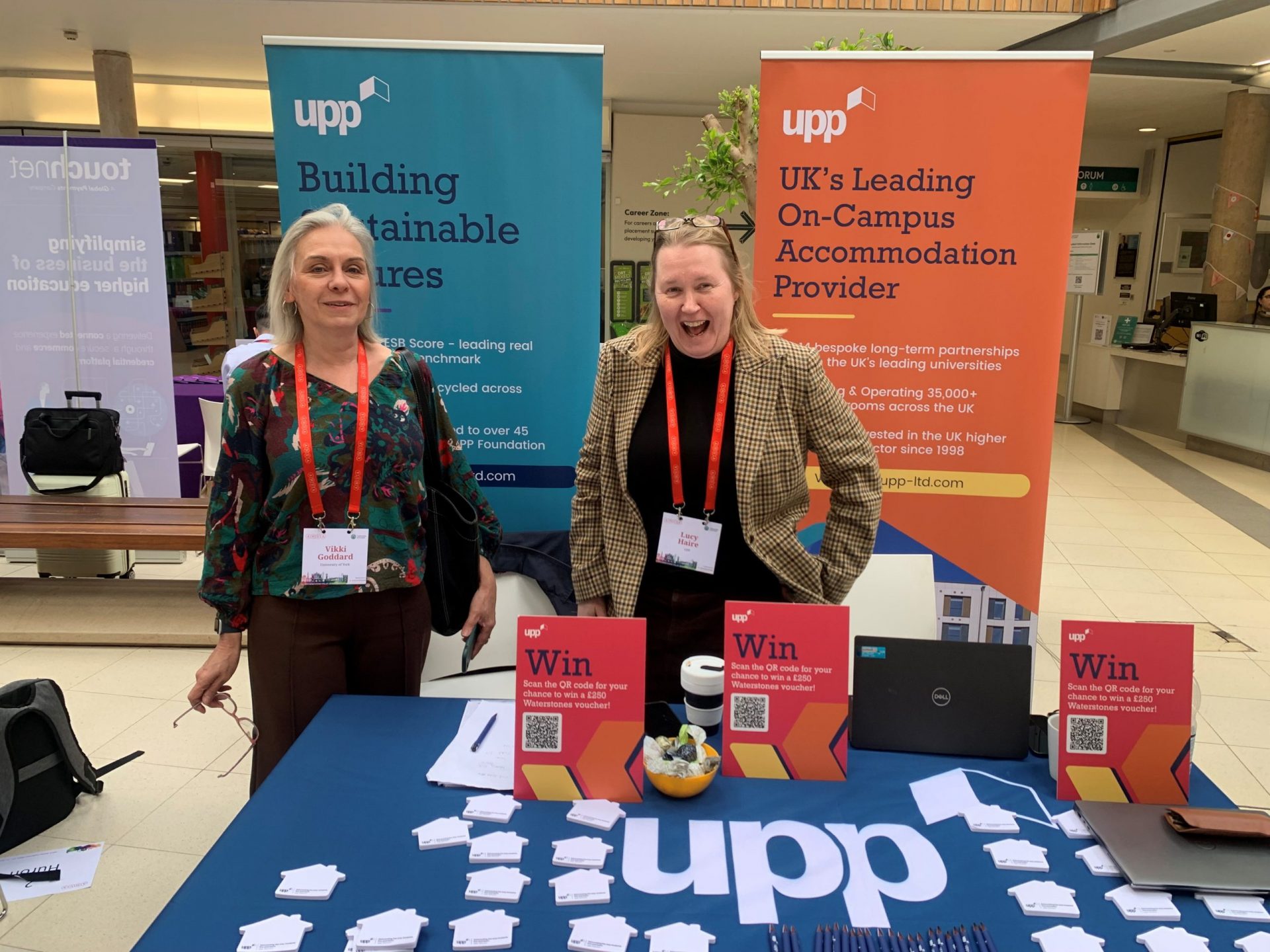
UPP’s Resident Engagement Manager Ellis Noble Lowe attended this year’s CUBO Residence Life Conference to explore how accommodation shapes student experience, wellbeing and belonging, and to reflect on how the environments created within accommodation influence not just satisfaction scores, but students’ sense of self, community and preparedness for adulthood.
Accommodation as part of the student journey
Student accommodation is often the first place where young adults experience independent living within a shared environment. It is where many begin to build confidence, learn to communicate effectively and develop the social skills that come with communal living. Accommodation therefore plays a significant role in the wider university experience rather than simply providing a place to stay.
A recurring theme throughout the conference was the importance of enabling residents to navigate challenges independently rather than resolving issues on their behalf. Supporting students to manage challenges themselves helps build resilience and confidence during their transition into independent living.
Belonging, wellbeing and participation
Research presented by CUBO and Global Student Living, based on responses from more than 48,000 students across the UK and Ireland, highlighted the relationship between accommodation, belonging and wellbeing. Participation in organised activities within halls was strongly linked to students’ sense of connection and overall satisfaction with university life.
Those who engaged in activities with fellow residents reported stronger social connections and a more positive experience overall. At the same time, around one in five students said they would like to participate more but faced barriers such as lack of confidence, unclear communication or scheduling clashes.
The findings highlighted the importance of designing activities that are accessible, inclusive and capable of encouraging participation from a broad range of students.
Specialist accommodation and inclusion
The conference also challenged assumptions around specialist accommodation. Quiet floors and LGBTQ+ accommodation were associated with higher satisfaction levels and a stronger sense of community among residents.
Rather than isolating students, these environments provide a greater sense of comfort and security, allowing residents to engage more confidently with those around them. The findings highlighted the value of offering a range of accommodation types that reflect the differing needs and preferences within today’s student population.
Further discussions also explored how faith, religion and ethnicity continue to shape experiences of belonging within accommodation settings. The sessions reinforced the importance of flexible support models and culturally aware approaches that reflect today’s diverse student communities.
Move in as a defining moment
Move in was consistently identified as a defining moment in the student journey. From arrival communications to staff presence and welcome activities, first impressions shape how students experience their accommodation throughout the year.
Research presented at the conference showed that 79 percent of students rated arrival instructions as good or very good, while 85 percent said staff welcome positively shaped their experience. Overall satisfaction with move in also continues to rise across both university and private halls.
Students who reported a positive move in experience were significantly more likely to form close friendships, enjoy socialising where they lived and feel a strong sense of belonging. By contrast, students with a poor move in experience were far more likely to report feeling disconnected from the campus experience.
These findings highlighted that move in should not be seen simply as an operational milestone, but as a key opportunity to support early engagement and establish community from the outset.
Barriers to engagement
The conference also explored how barriers to engagement vary between student groups. International students were more likely to encounter practical challenges, such as understanding systems or navigating unfamiliar processes. UK students, meanwhile, were more likely to report emotional barriers, particularly attending activities alone or lacking confidence to engage socially.
The findings highlighted the limitations of a single approach to engagement across a diverse student population and the need for flexible support that reflects differing experiences, expectations and needs.
Digital communities and student connection
Online communities increasingly shape expectations, relationships and interactions within accommodation settings. Students arrive with established digital networks that influence how they engage with peers, form connections and interpret shared living environments.
This has implications for how accommodation providers develop community standards and encourage respectful interaction between residents.
Conclusion
Accommodation continues to play a central role in the student experience. It is where students build relationships, encounter different perspectives and begin to navigate independent living.
For accommodation providers and universities alike, the challenge is creating environments that support connection and inclusion from the moment students arrive.