Why where students live is a critical component of the university success
Lucy Haire, Director of Sector Engagement, UPP
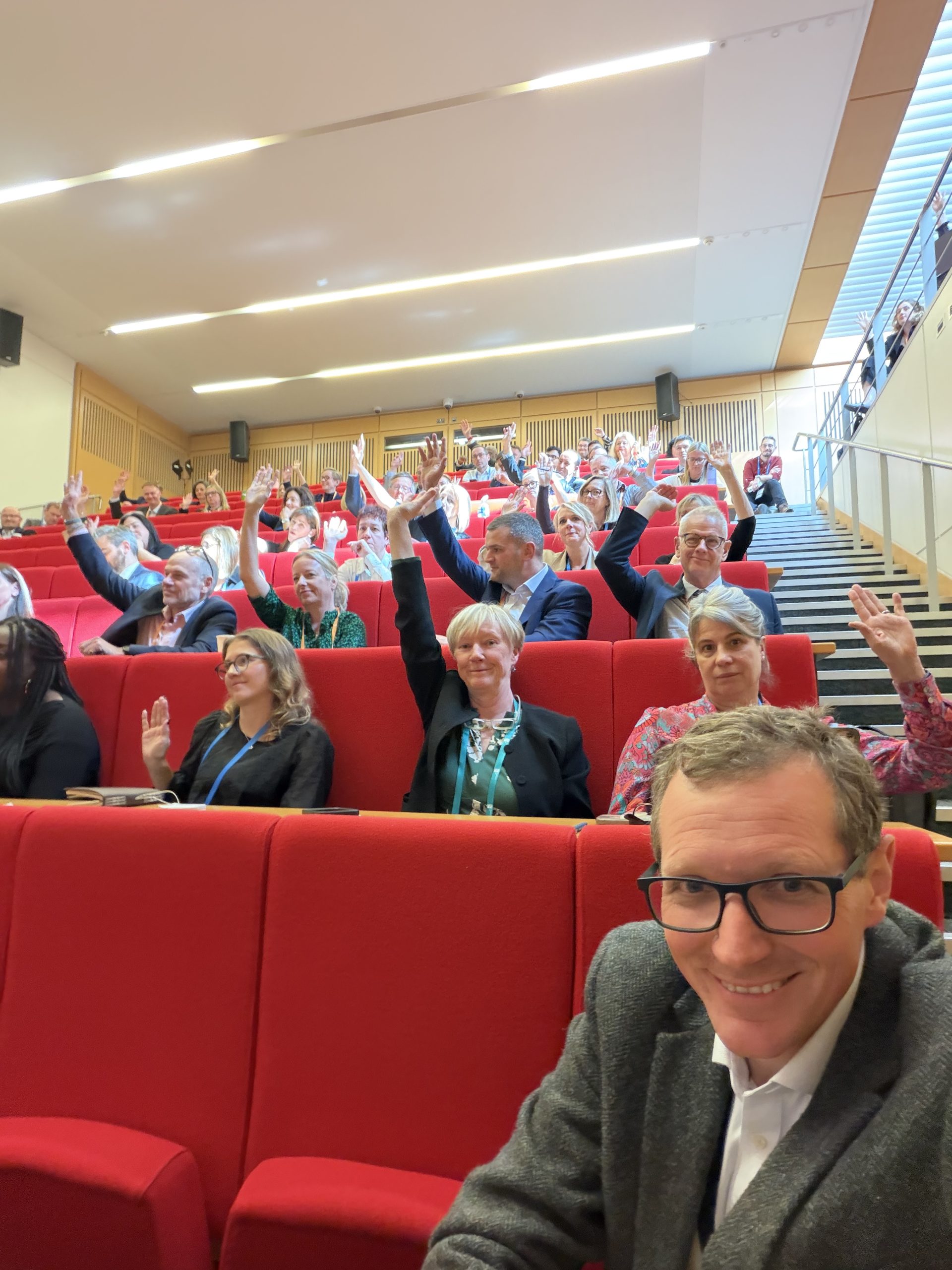
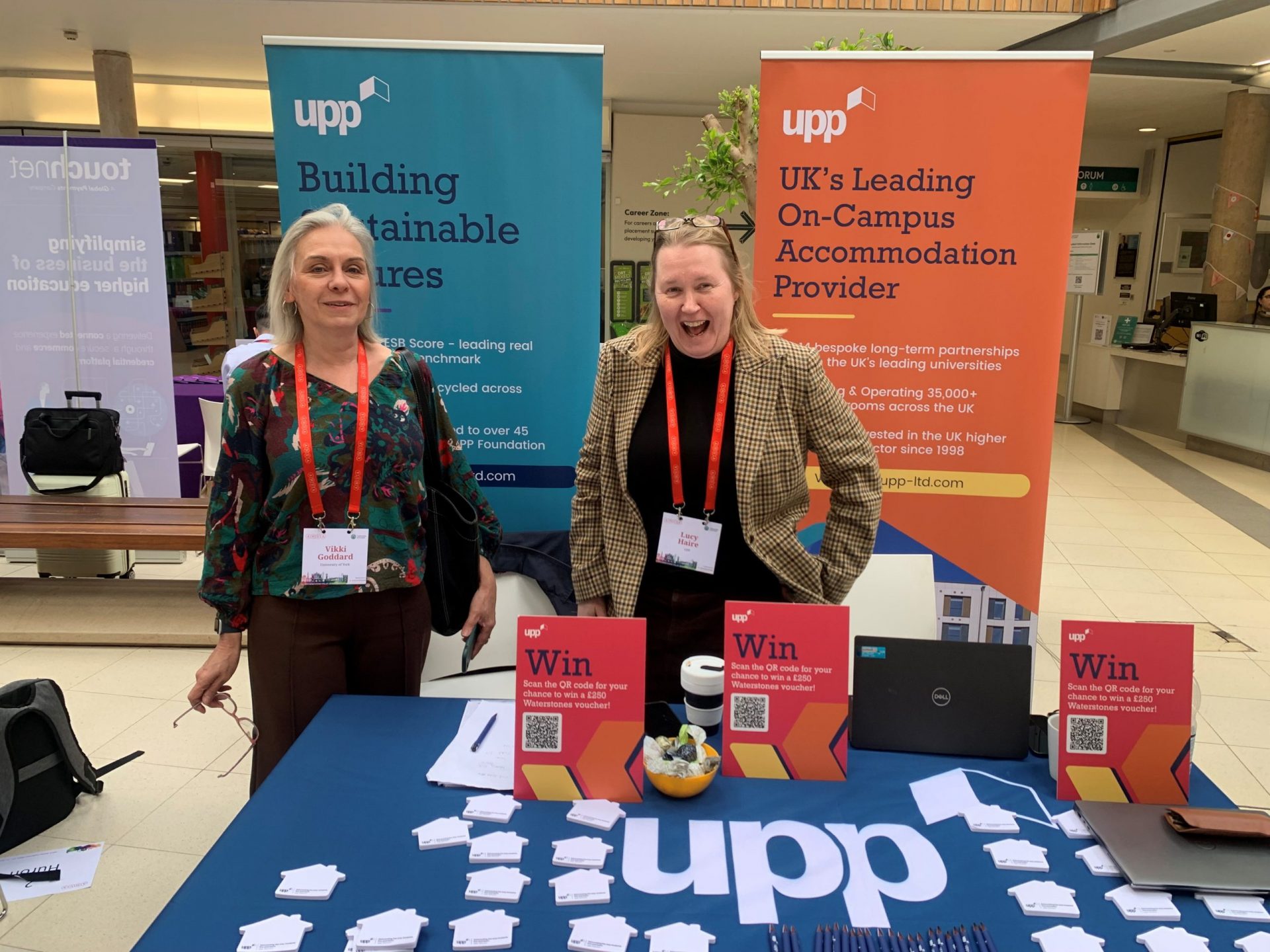
At this year’s AHUA Annual Conference, UPP hosted a session on space and belonging, led by Professor William Whyte of the University of Oxford. A key question that emerged was this: if where students live shapes how they connect, learn and succeed, are we giving the residential experience the strategic attention it deserves?
Looking back to understand the present
UK universities have not always been primarily residential. Students lived locally, boarded with families or travelled daily. The mass expansion of purpose-built accommodation is a relatively recent development, driven by post-war growth and widening access to higher education.
This context is important. It shows that the student experience has evolved over time and continues to do so. What can feel like significant change is often part of a longer cycle of adaptation.
The enduring campus residential model
Despite repeated predictions that more students will stay at home, the proportion of full-time students relocating for university has remained broadly stable.
This suggests a more fundamental truth. The desire to move away, gain independence and be part of a university community remains strong. For many students, where they live is not secondary, it is central to their experience of higher education.
And yet, this is sometimes underestimated. When accommodation is treated as peripheral, its role in supporting belonging and student success can be underestimated.
A changing delivery model
The way accommodation is delivered has changed significantly. Two generations ago most universities provided halls of residence for their students. With the expansion of higher education, provision has diversified. Today long-term partnerships with specialist providers enable universities to modernise and expand provision while maintaining focus on their core academic mission.
This model brings clear advantages, but it also requires greater clarity and discipline. Strong governance, shared objectives and a clear focus on the student experience are essential.
The question is not simply who owns accommodation, but how effectively it is managed and aligned with institutional priorities over the long term.
Beyond beds: what really matters
Accommodation is often considered in terms of number of beds delivered and buildings completed. But this risks missing the point.
Where students live shapes how they build relationships, access support and engage with their studies and future careers. It plays a central role in creating a sense of belonging, which is critical to success.
At the same time, universities are operating in an increasingly complex environment. Affordability pressures, sustainability ambitions and changing student expectations are all influencing decision-making.
The challenge is not simply to provide accommodation, but to create environments that are inclusive, supportive and aligned with the needs of a diverse student population.
From provision to purpose
Too often, accommodation is positioned as an operational issue rather than a strategic one. There is also a risk in focusing too narrowly on supply. Providing beds is not the same as creating the conditions for students to thrive. Responsibility is often fragmented, with no single point of accountability for the experience accommodation enables.
If widening participation and improved outcomes are genuine priorities, residential experience must be recognised as central to how universities deliver on their mission.
The key question remains how intentional institutions are about the role accommodation plays. The decisions made now will shape not just where students live, but how they experience university, and what they take from it.
Later this summer, the UPP Foundation and the Higher Education Policy Institute (HEPI) will publish Professor William Whyte’s forthcoming report, Moving Away. The Past and Future of Student Accommodation. It will explore these themes in greater depth, helping to frame the thinking on how the sector is changing and where it goes next.