The UK’s student accommodation sector faces a growing challenge. Demand continues to rise, yet supply is struggling to keep pace.
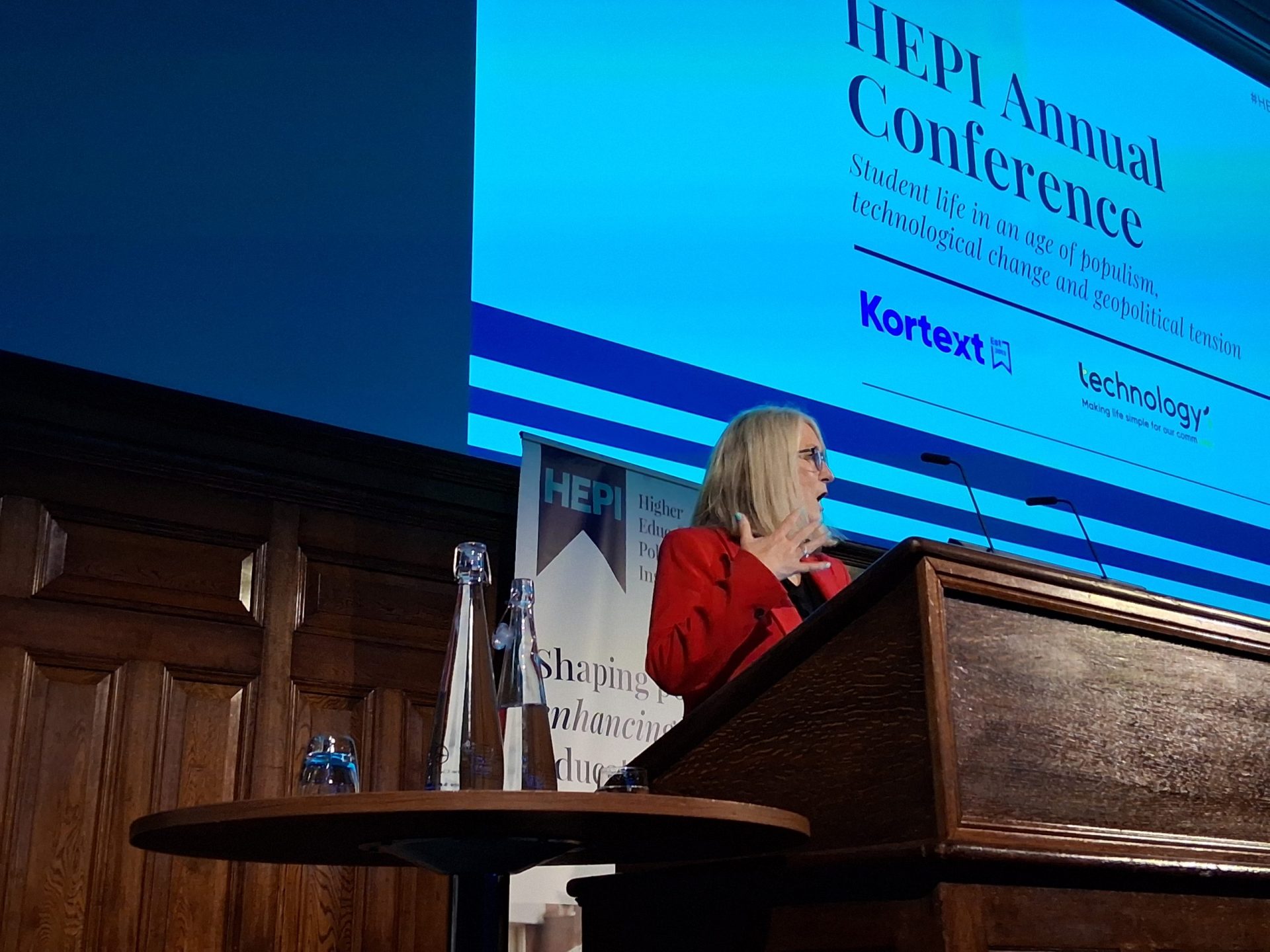
These issues were at the centre of discussions during The Student Living UK Conference 2026 in London, where sector leaders, investors, operators and university representatives came together to explore the future of student housing.
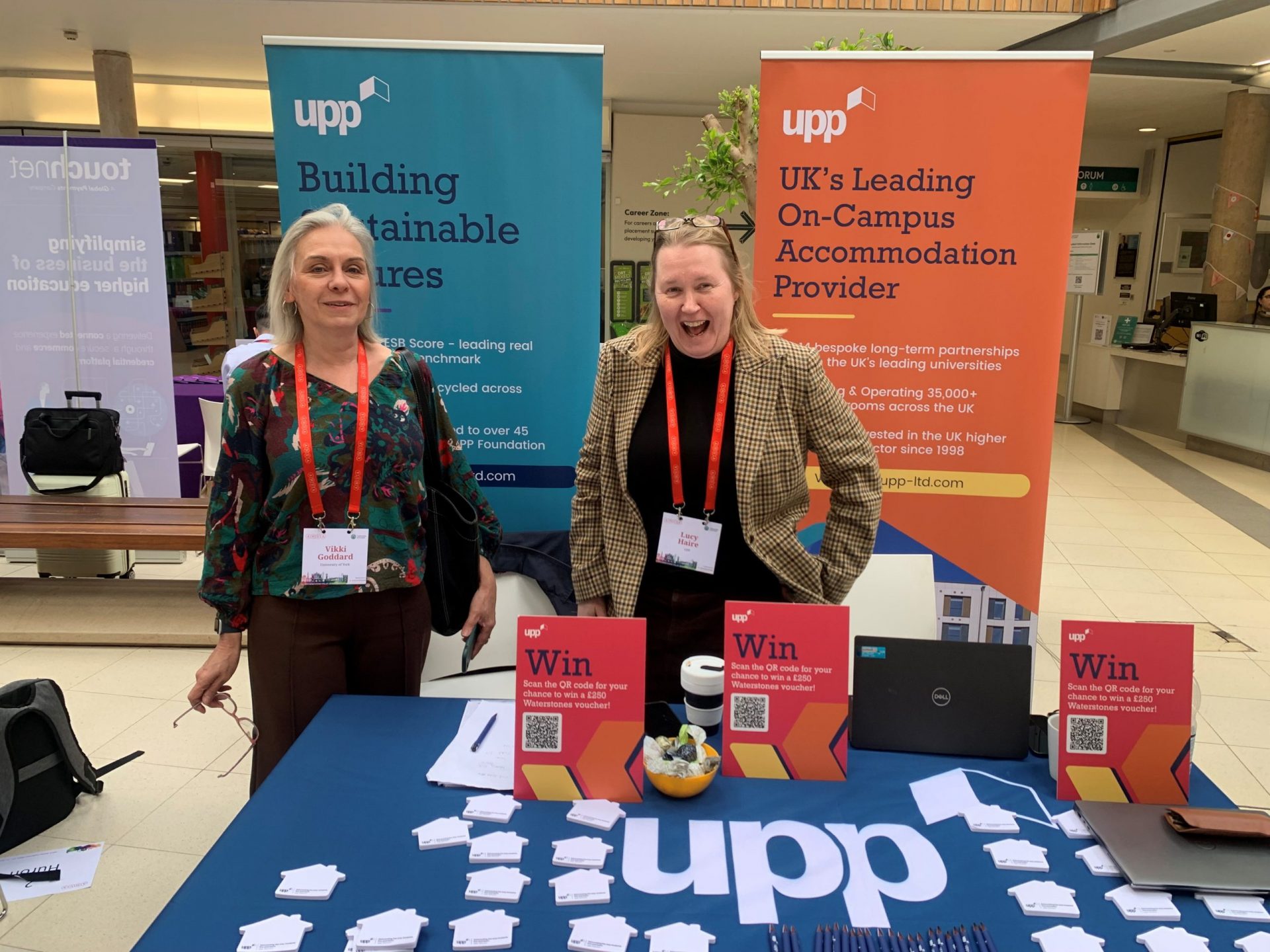
As part of the conference, UPP’s Director of Sector Engagement, Lucy Haire, participated in a Class Foundation roundtable focused on how the sector can respond to growing demand while supporting affordability, wellbeing and student success.

A Supply Challenge – But Not Just a Numbers Game
The discussion reinforced a clear message: increasing bed numbers alone will not solve the sector’s challenges.
Participants highlighted that the greatest need in the UK market is often for more affordable accommodation options. While additional supply is essential, there is growing recognition that affordability must be considered alongside availability.
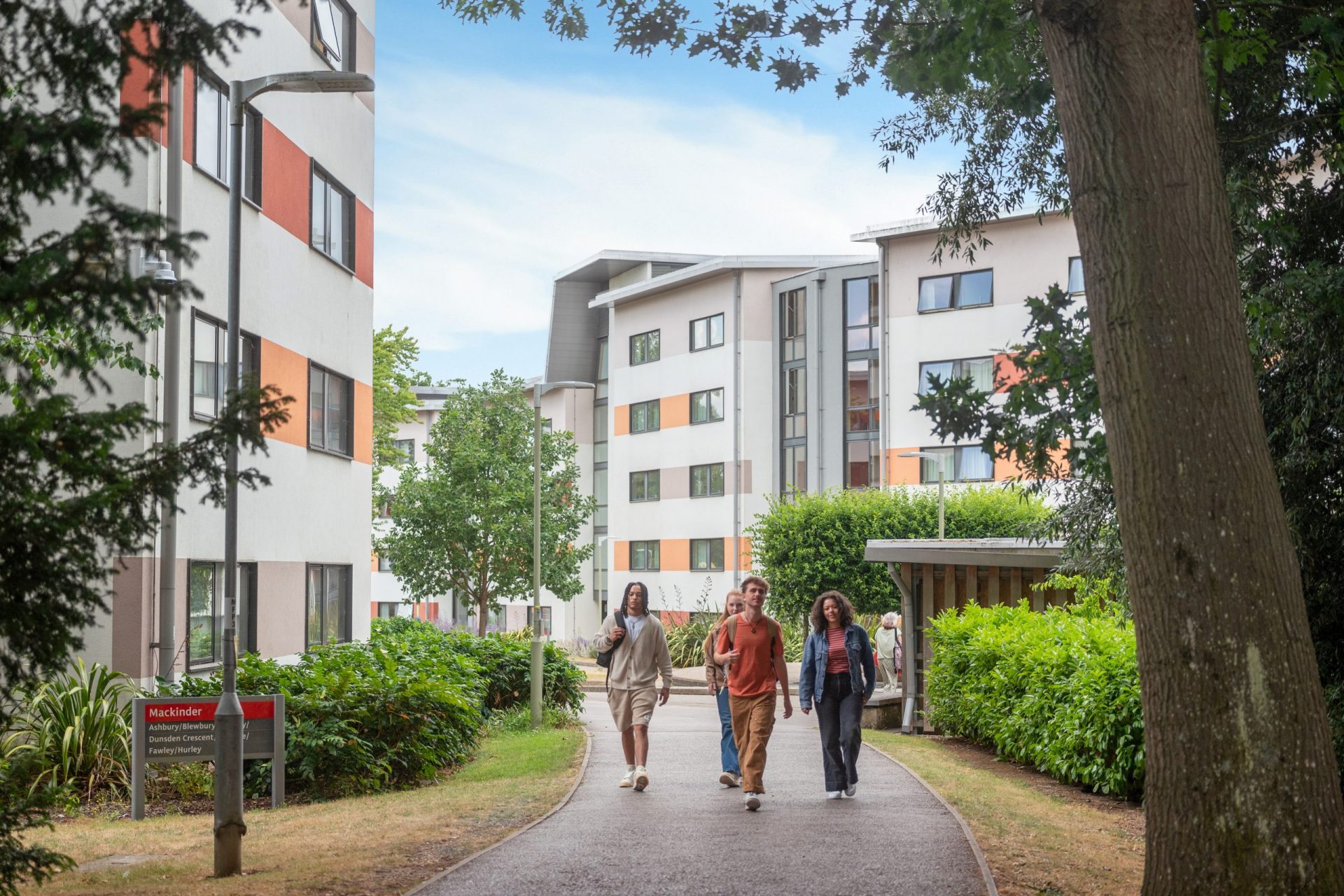
The relationship between student accommodation and wider housing markets was also explored. Purpose-built student accommodation can play an important role in easing pressure on local housing stock by providing dedicated student homes, yet there remains a need for stronger engagement with policymakers to ensure the value of student housing is fully understood.
As one participant observed, the sector’s most effective message may be that greater accommodation choice creates more options for students, universities and local communities alike.
Learning from International Models
One of the most thought-provoking aspects of the discussion was the opportunity to learn from international approaches.
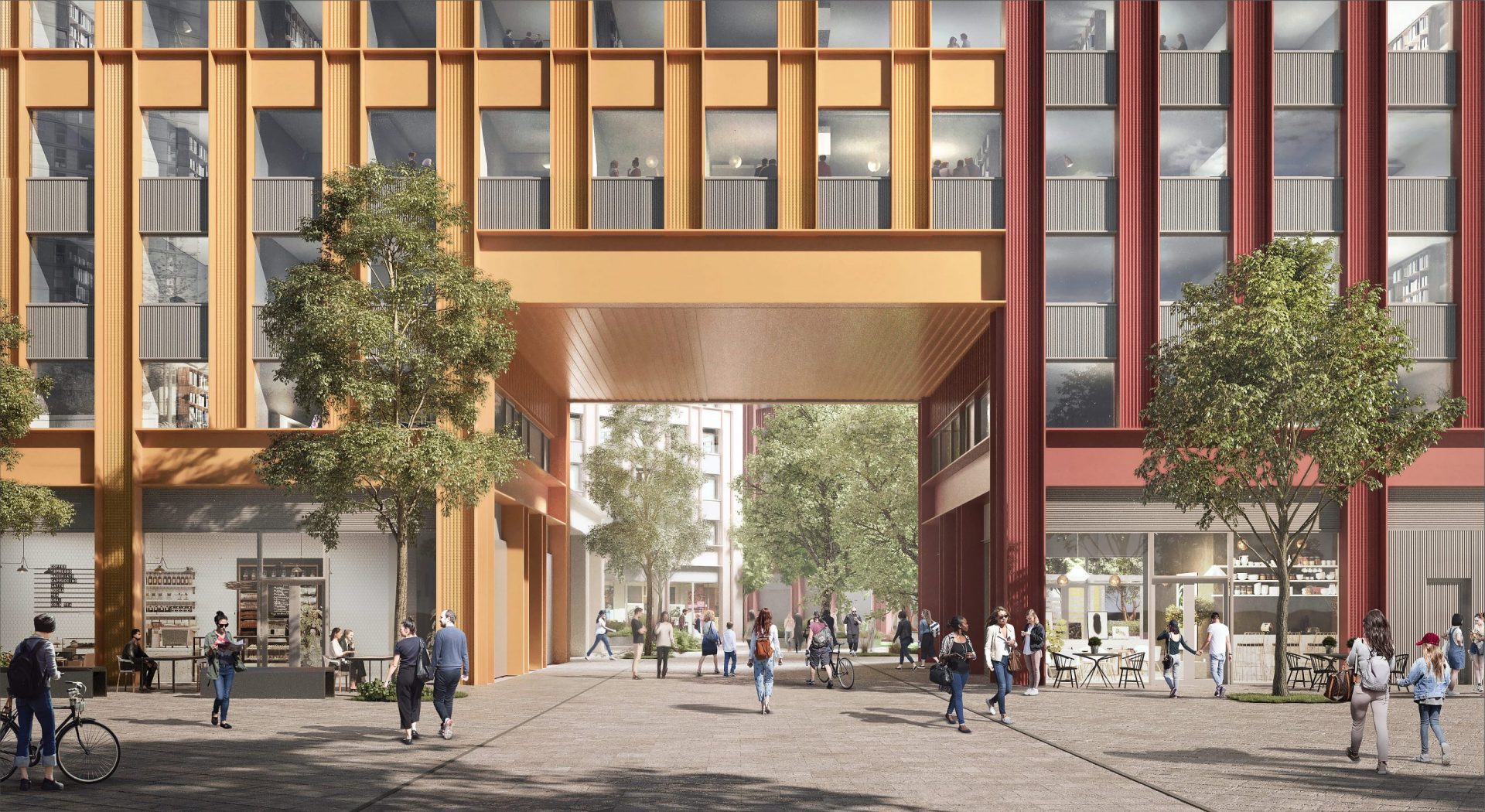
Examples from Australia highlighted how accommodation can be designed around community and belonging. Rather than focusing solely on room type, some developments create smaller neighbourhood-style communities within larger residences. Shared social and study spaces serve groups of 40 to 70 students, helping foster stronger connections and engagement.
The Australian model also demonstrates a different approach to student experience. While room types may vary by price point, access to community-building activities and support infrastructure is designed to be consistent across the student population.
The conversation suggested that there may be valuable lessons for UK providers as they seek to balance affordability, community and student wellbeing.

From Real Estate to Experience
A recurring theme throughout the roundtable was the evolution of student accommodation from a real estate product to an experience-led service.
Students increasingly expect accommodation to support not only where they live, but how they live, study and connect with others. Belonging, wellbeing, safety and community were all identified as critical components of a successful student experience.
Research discussed during the session highlighted the importance of these factors, particularly as universities continue to focus on access, participation and student outcomes. Some institutions are already positioning accommodation as a key pillar within broader student success strategies.
For providers, this raises important questions about how accommodation environments can intentionally support student wellbeing while remaining financially sustainable.
The Affordability Imperative
Affordability emerged as one of the most pressing issues facing the sector.
Participants discussed the growing financial pressures on students and their families, with research indicating that a significant majority of parents continue to contribute towards accommodation costs. At the same time, trust remains an important factor in decision-making, with university-managed accommodation and purpose-built student accommodation often viewed more favourably than traditional private rented options.
The challenge for the sector is therefore not simply to build more accommodation, but to provide a broader range of options that meet differing student needs and budgets.
Several contributors argued that the industry should be more intentional in how affordability is incorporated into future development strategies.

Part of a wider sector conversation
The themes discussed during the Class Foundation roundtable echoed many of the conversations taking place throughout The Student Living UK Conference.
Across the event, delegates explored the challenges and opportunities facing the sector, including housing supply, affordability, student wellbeing, changing expectations and the growing importance of creating communities where students can thrive.
There was also discussion around the role of accommodation in supporting widening participation and access to higher education, as well as how greater flexibility in housing models could help meet the needs of a more diverse student population.
While perspectives differed, there was broad agreement that collaboration between universities, accommodation providers, investors and policymakers will be critical to meeting future demand.
Looking Ahead

The discussions throughout The Student Living UK Conference highlighted that student accommodation sits at the intersection of several major challenges: housing supply, affordability, student wellbeing and university competitiveness.
While no single solution emerged, there was clear consensus that the future of student housing will require a balance between quantity and quality, ensuring that growth in supply is matched by investment in affordability, community and student experience.
Reflecting on the discussion, Lucy Haire said:
“Student accommodation is about much more than providing a room. The most successful environments create a sense of belonging, support wellbeing and help students make the most of their university experience. As a sector, we need to continue exploring how we deliver this while maintaining affordability and expanding access.”
For UPP, the conversation reinforced the importance of creating places where students can thrive academically, socially and personally. As the higher education sector continues to evolve, accommodation will remain a critical part of the student experience and an increasingly important contributor to student success.
The challenge now is ensuring that future provision delivers not only the quantity of accommodation students need, but also the quality, affordability and sense of belonging they deserve.