From AI and lifelong learning to Erasmus and employability – the trends shaping the future of higher education and student living.
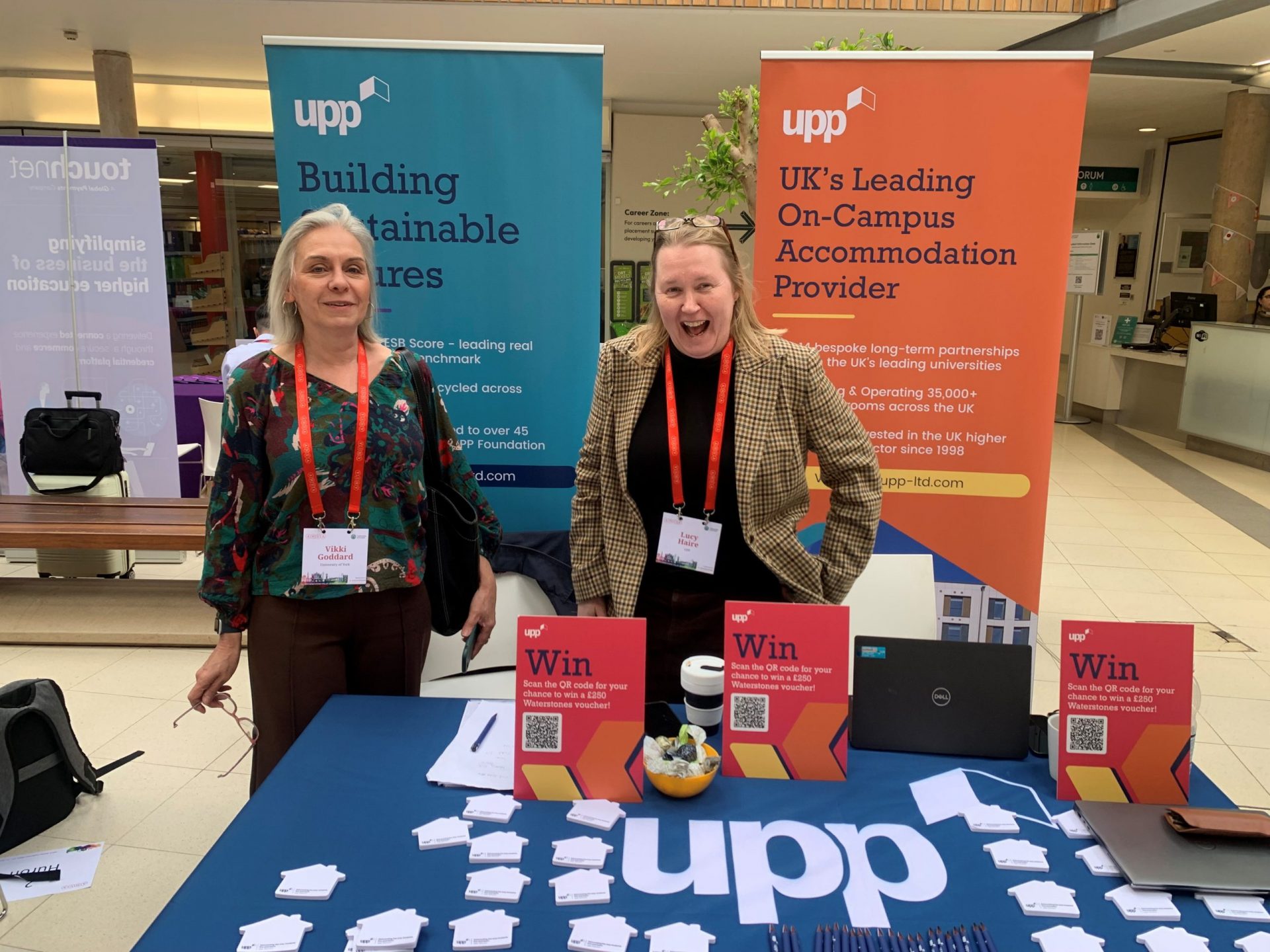
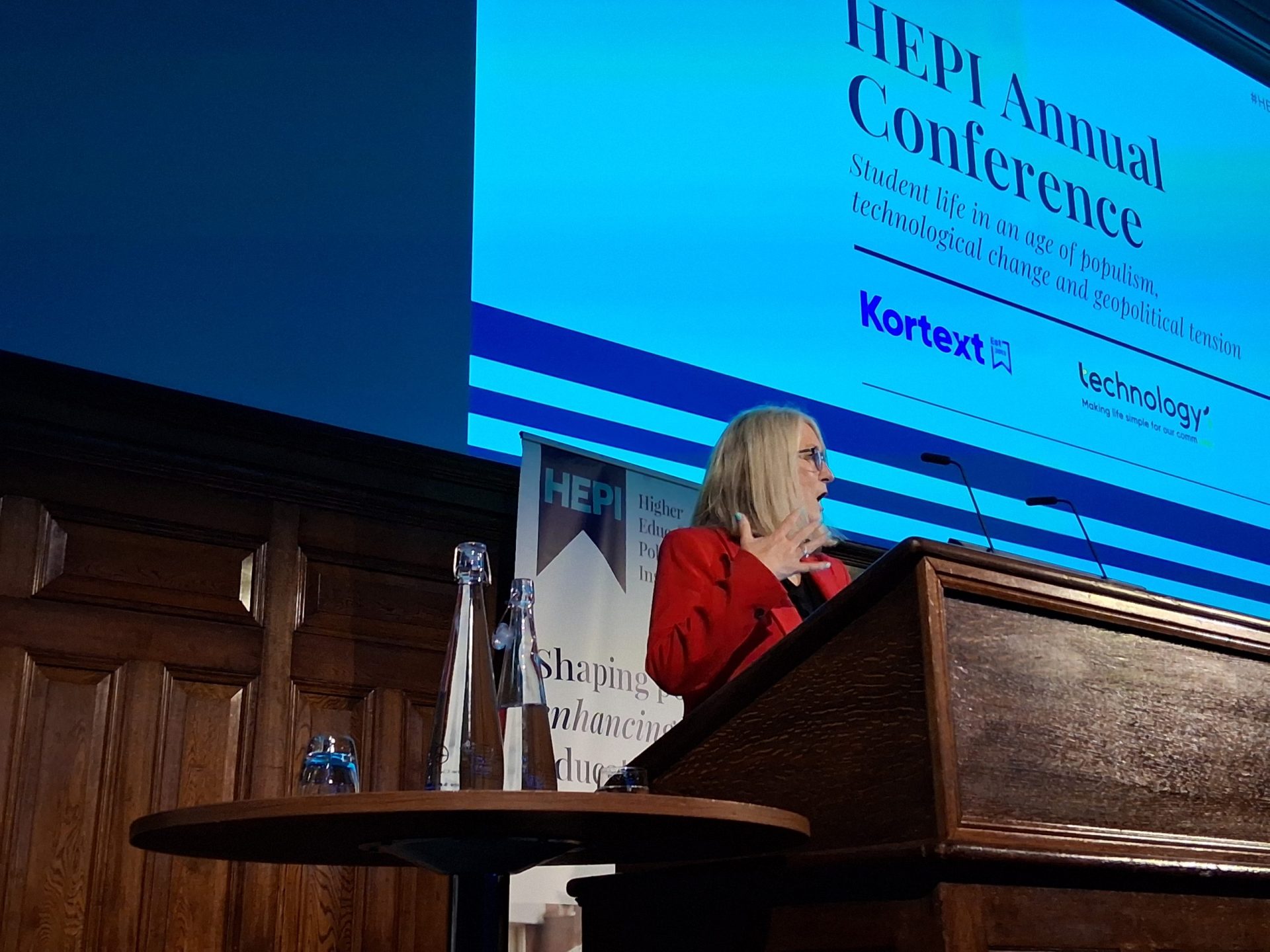
Understanding how student expectations are changing is critical to UPP’s role as a long-term partner to UK universities. That’s why UPP’s Lucy Haire, Director of Sector Engagement, and Carol Thomas, Head of Accommodation Services, attended the 2026 Higher Education Policy Institute (HEPI) Annual Conference, where policymakers, university leaders, regulators and industry experts gathered to discuss the future of higher education.
At the heart of the conference was the launch of the latest Student Academic Experience Survey, produced annually by HEPI and Advance HE. Widely regarded as one of the sector’s most authoritative measures of student sentiment, the survey provides valuable insight into how students view their university experience, priorities and challenges.
One of this year’s most notable findings was a significant improvement in perceptions of value for money. The proportion of students rating the value for money of their course as “good” or “very good” rose to 45% in 2026, up from 37% in 2025 — the highest level recorded in more than a decade.
While perceptions of value for money have reached their highest level in more than a decade, financial pressures remain a reality for many students, with 65% of full-time undergraduates working during term time.
Bringing together influential voices from across the sector, including Skills Minister Jacqui Smith, HEPI Director Nick Hillman, Universities UK Chief Executive Vivienne Stern, Professor Bobby Duffy of King’s College London, Advance HE Chief Executive Alistair Jarvis and leaders from across higher education, technology and policy, the conference explored how higher education can respond to a rapidly changing social, technological and economic landscape.
Several themes emerged that are particularly relevant for universities, accommodation providers and the wider higher education sector.

Rearticulating the value of higher education
A recurring theme throughout the conference was the need for universities to communicate their value more effectively. Discussions explored growing public concerns around tuition fees, graduate outcomes, student debt and value for money. At the same time, research presented at the conference demonstrated that the overwhelming majority of graduates would still choose higher education again.
Sessions examining public attitudes highlighted increasing social and political polarisation, alongside declining trust in institutions more broadly. Against this backdrop, speakers argued that universities must continue to demonstrate their wider contribution to society through skills development, innovation, research, economic growth and community impact. For universities, this presents both a challenge and an opportunity: ensuring the benefits of higher education are understood not only by students, but also by policymakers, employers and local communities.
Student mobility and the return of Erasmus
The Government’s plans to rejoin Erasmus from 2027 were welcomed across the conference and are expected to increase opportunities for international mobility and collaboration. The return of Erasmus has significant implications for universities and accommodation providers alike. Increased mobility may create new patterns of demand, requiring institutions to think carefully about how accommodation, support services and student experiences evolve to meet changing needs.
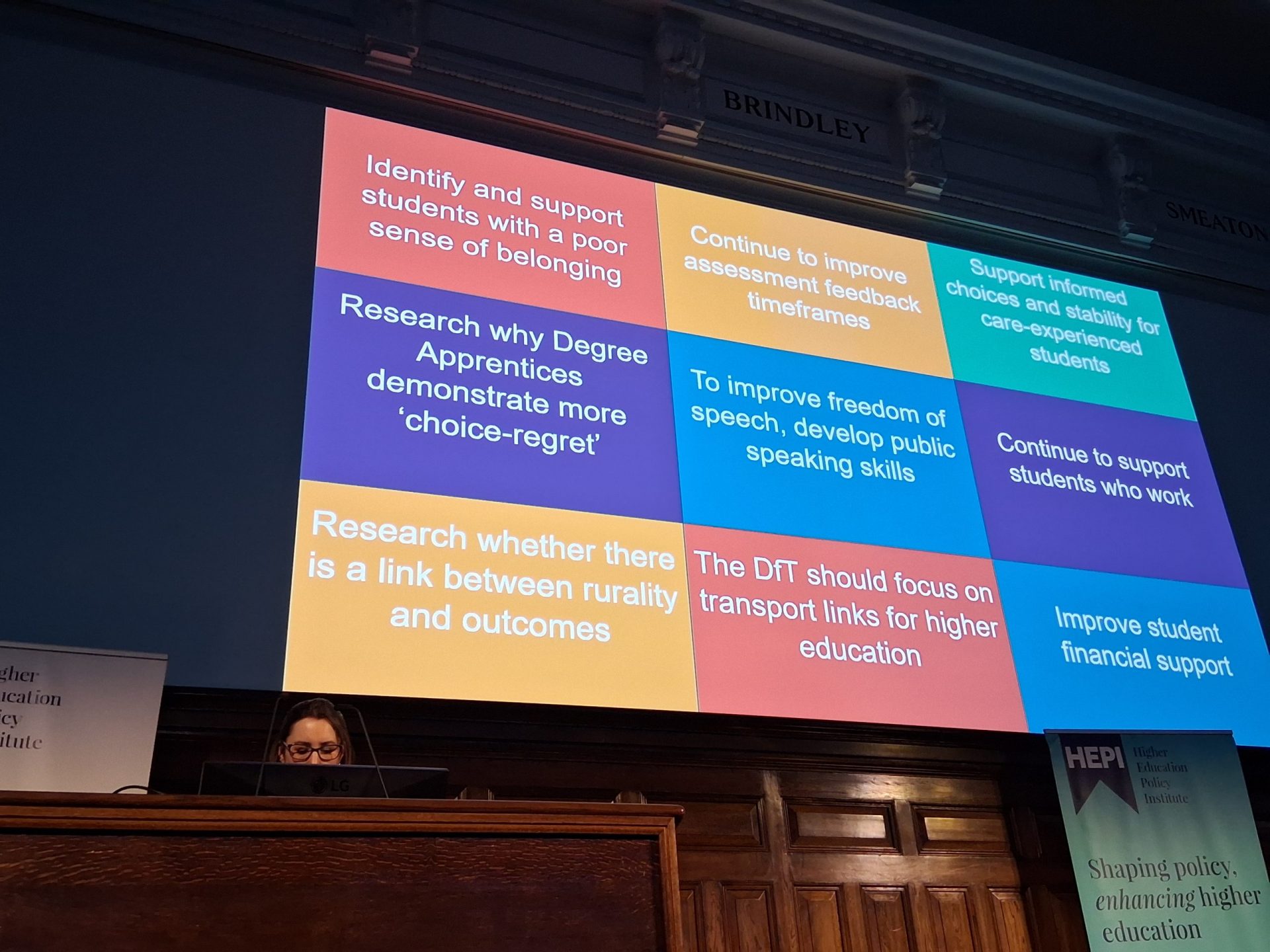
Alongside international mobility, discussions also highlighted the growing importance of commuter students. Research presented during the conference showed that commuting is not solely an urban issue, with institutions such as the University of St Andrews reporting significant commuter populations despite their relatively rural locations. As student mobility continues to evolve, flexibility and future-proofing will become increasingly important considerations for both universities and their accommodation partners.
Lifelong learning and flexible provision
Several sessions focused on the growing emphasis on lifelong learning and more flexible routes into higher education.
In her keynote address, Skills Minister Jacqui Smith highlighted the Government’s ambition to strengthen links between higher and further education, increase opportunities for lifelong learning and support learners throughout their careers. She called on universities to help “erode the unhelpful line” between higher and further education as new qualification pathways emerge.
For the sector, this raises important questions:
- How will universities support learners engaging with education at different stages of life?
- What opportunities exist to make better use of accommodation and campus facilities throughout the year?
- How can support services evolve to meet the needs of increasingly diverse learner groups?
As lifelong learning becomes a more significant feature of the higher education landscape, institutions will need to consider how existing models adapt to changing patterns of study and engagement.
AI, technology and employability
Artificial intelligence was one of the most prominent topics throughout the conference. Importantly, discussions moved beyond questions about whether AI can be trusted and focused instead on how organisations can ensure they are operating in a trustworthy way. Speakers highlighted the importance of understanding the data underpinning AI systems, recognising potential biases and establishing appropriate governance frameworks.
A recurring message was that technology should enhance human capability rather than replace human judgement. The implications for employability were also widely discussed.
As automation increasingly reshapes entry-level roles, employers are placing greater value on communication, adaptability, critical thinking, collaboration and the ability to work effectively alongside technology. Speakers noted that many organisations continue to report skills gaps among graduates, while expectations of new entrants to the workforce continue to evolve. For universities, the challenge is not simply helping students use AI tools, but ensuring they develop the broader skills and judgement needed to thrive in a technology-enabled workplace.
Student expectations continue to evolve
The latest Student Academic Experience Survey highlighted the realities facing many students today.
Research presented during the conference showed:
- 65% of full-time undergraduates are in paid employment during term time.
- 14% reported food insecurity or food-related concerns.
- 22% reported experiences of marginalisation or harassment.
- Financial pressures continue to influence how students engage with university life.
At the same time, the survey’s value-for-money findings suggest universities are making progress in responding to student expectations despite a challenging operating environment. Students are increasingly evaluating their higher education experience through multiple lenses, including affordability, employability, wellbeing and community.
One theme surfaced repeatedly throughout both the conference and the survey findings: belonging. Students increasingly expect support, connection, responsiveness and a sense of community alongside academic achievement. Speakers highlighted belonging as a critical factor influencing student satisfaction, engagement and success. For accommodation providers, this reinforces the important role residential communities can play in supporting positive student outcomes.
International students and global competitiveness
International students remain fundamental to the success of UK higher education.
Conference discussions explored questions around affordability, value and student perceptions, particularly at a time when institutions face ongoing financial pressures. Speakers emphasised the importance of ensuring international students feel welcomed, supported and able to see the value of their investment in UK higher education.
Institutions that can demonstrate a strong student experience, effective support services and meaningful opportunities for personal and professional development are likely to remain attractive in an increasingly competitive global market.
Looking ahead
Perhaps the most striking takeaway from the conference was that higher education is continuing to evolve in response to technological disruption, changing student expectations and shifting economic realities.
Despite the challenges facing the sector, there was also a strong sense of optimism.
In her keynote speech, Jacqui Smith emphasised the central role higher education will play in supporting economic growth, skills development and the UK’s adoption of artificial intelligence. Her message was clear: higher education remains fundamental to the country’s future prosperity.
For UPP and our university partners, the discussions reinforced the importance of preparing for a more diverse, mobile and technologically enabled student population. From lifelong learning and international mobility to employability, wellbeing and community, the student experience continues to evolve. Understanding these changes will be critical to ensuring universities and accommodation providers remain equipped to support future generations of learners.