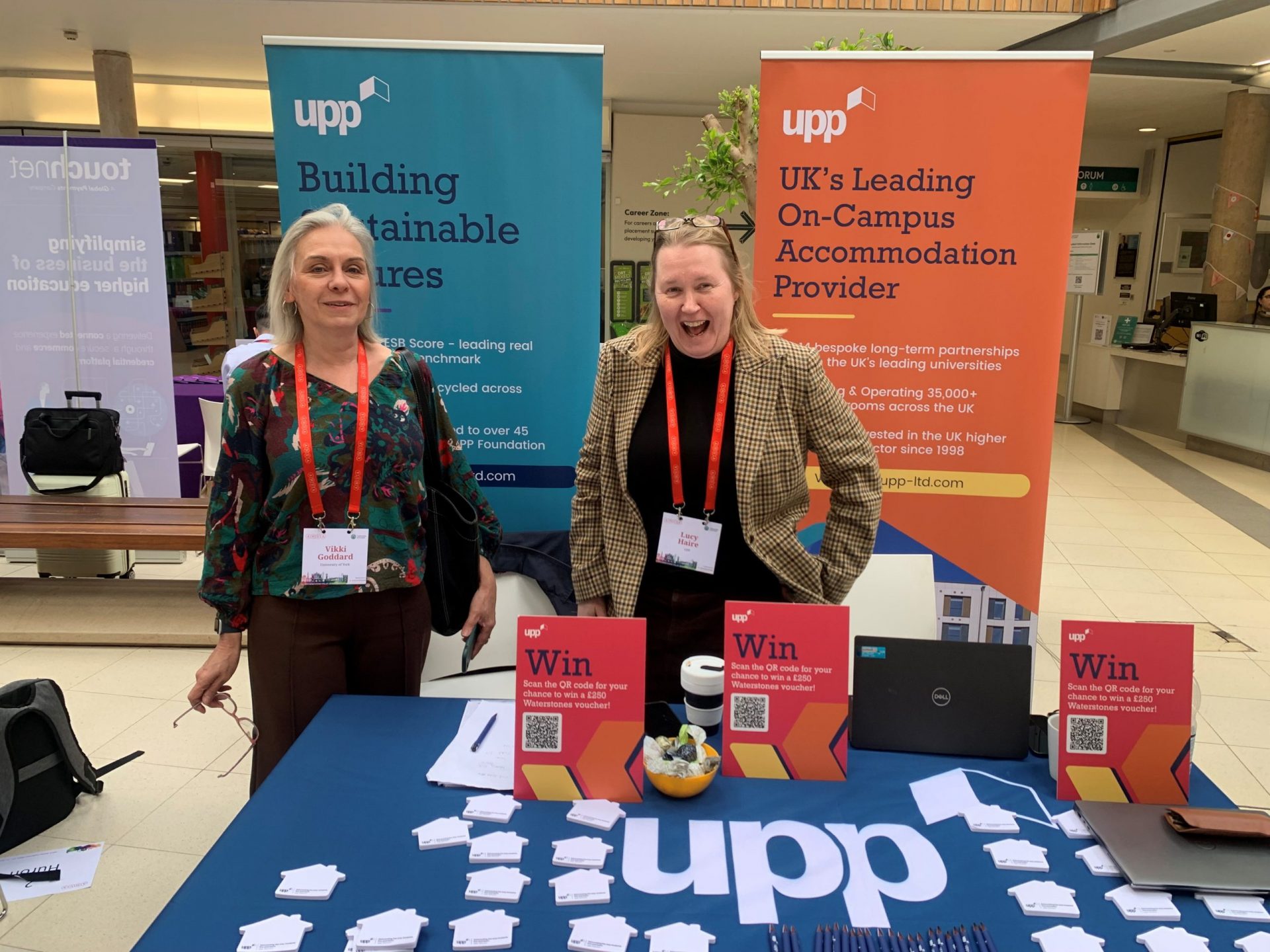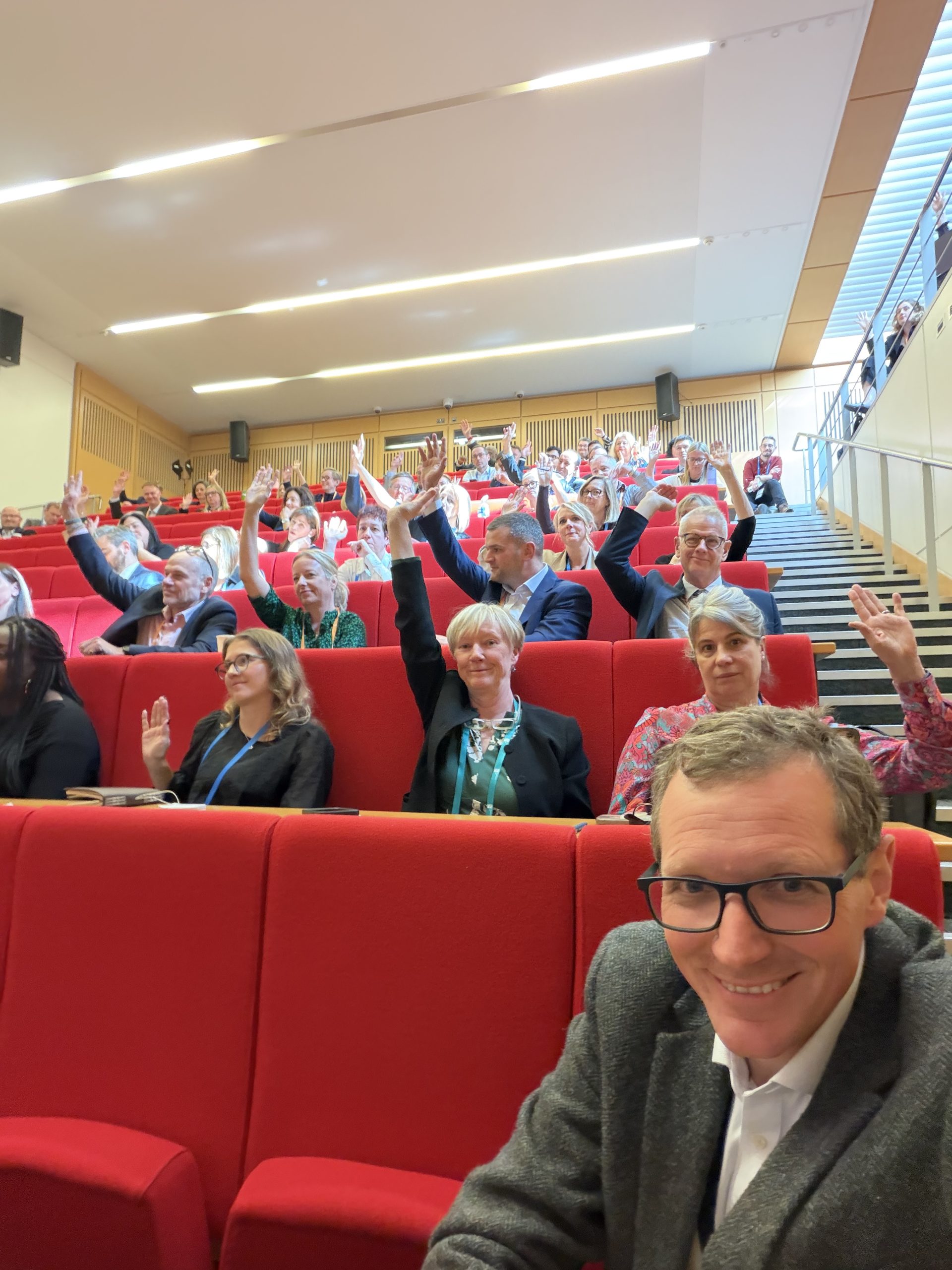
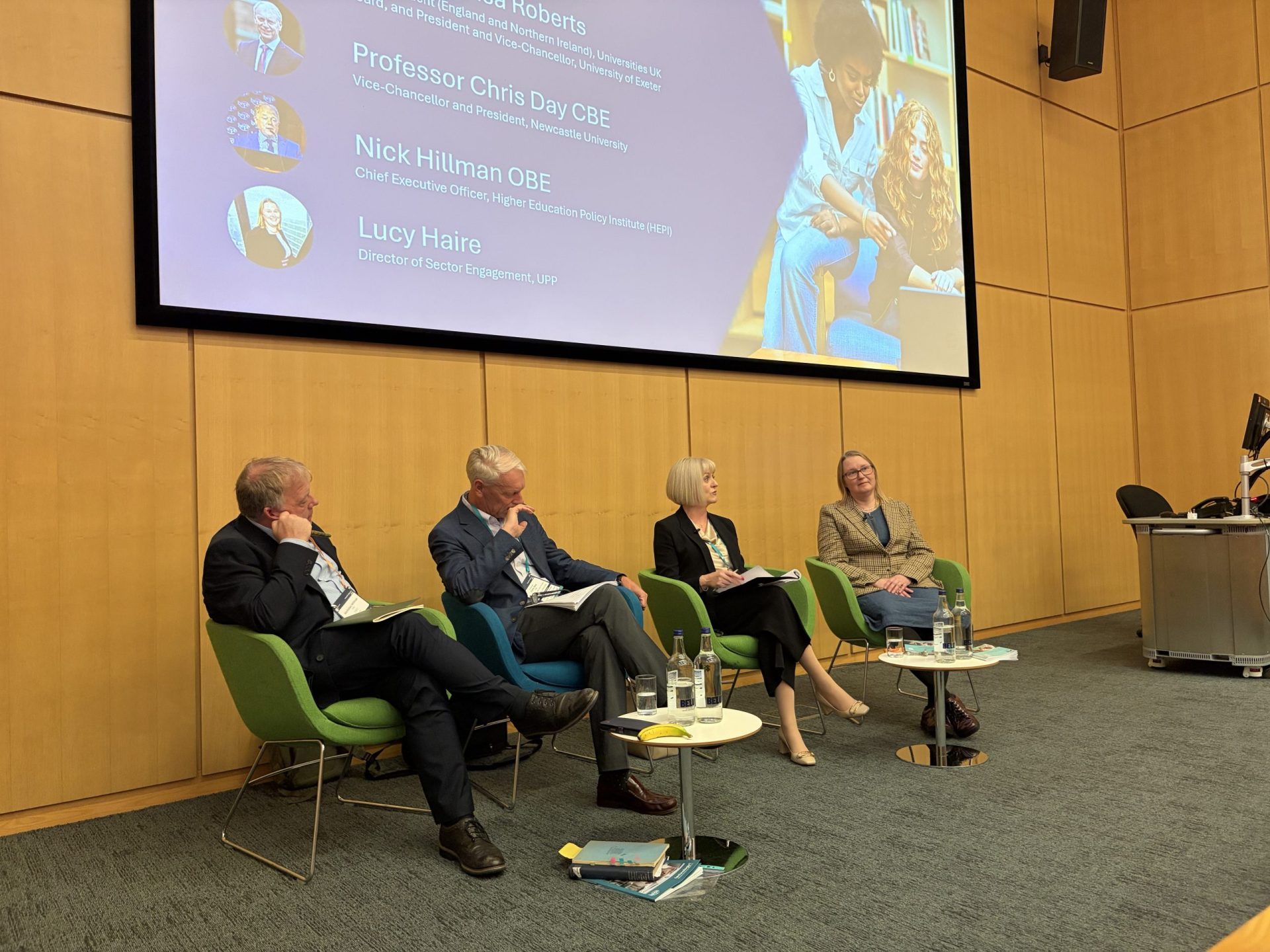
UPP’s breakout session at the Universities UK Annual Conference 2026,
Lucy Haire, Director of Sector Engagement at UPP, reflects on why campus living still matters, and how it should evolve. This piece is based on her opening remarks given at UPP’s breakout session at Universities UK Annual Conference 2026
At the Universities UK Annual Conference 2026 held in Nottingham on 9-10 September, UPP convened a breakout session to ask a deceptively simple question: what is the future of the residential university experience, and why does it matter now?
It was a timely discussion. Over the summer months, media coverage of exam results, clearing and university entry once again highlighted the growing number of UK students deciding to live at home and commuting to study. The proportion has risen from roughly one in five students in 2016 to nearer one in three today, with significant regional variation. London and Scotland, for example, see higher numbers of commuter students, and older students are more likely to commute. Even so, for most students, moving away to study remains the dominant model.
This is the question explored in Moving Away? The past and future of student accommodation, a new report commissioned by the UPP Foundation. Its author, Oxford cultural historian Professor William Whyte, is one of the world’s leading experts on university buildings so well placed to set student accommodation in its wider historical and cultural context.
One of the strengths of Whyte’s report is its long view: tracing student accommodation from the foundation of medieval universities through to the modern era. His central message is that moving away to study has proved an exceptionally enduring model in the UK. He also revisits the historic arguments for keeping students in their family homes while they studied. UCL, for example, was founded in the early 19th century with a commuting model in mind, on the basis that students would be better supervised, better able to concentrate, and less distracted than they might be in halls or dorms. Yet by the 20th century, even original commuting universities such as UCL and Manchester had shifted towards providing much more student accommodation.
Whyte also places the emergence of organisations such as UPP in context. Established alongside the expansion of universities from the late 1990s, UPP now provides around 35,000 student rooms across 14 universities, through a long-term partnership model focused on campus living. That focus is underpinned by evidence linking campus living to a range of student success measures, including belonging, wellbeing and academic outcomes.
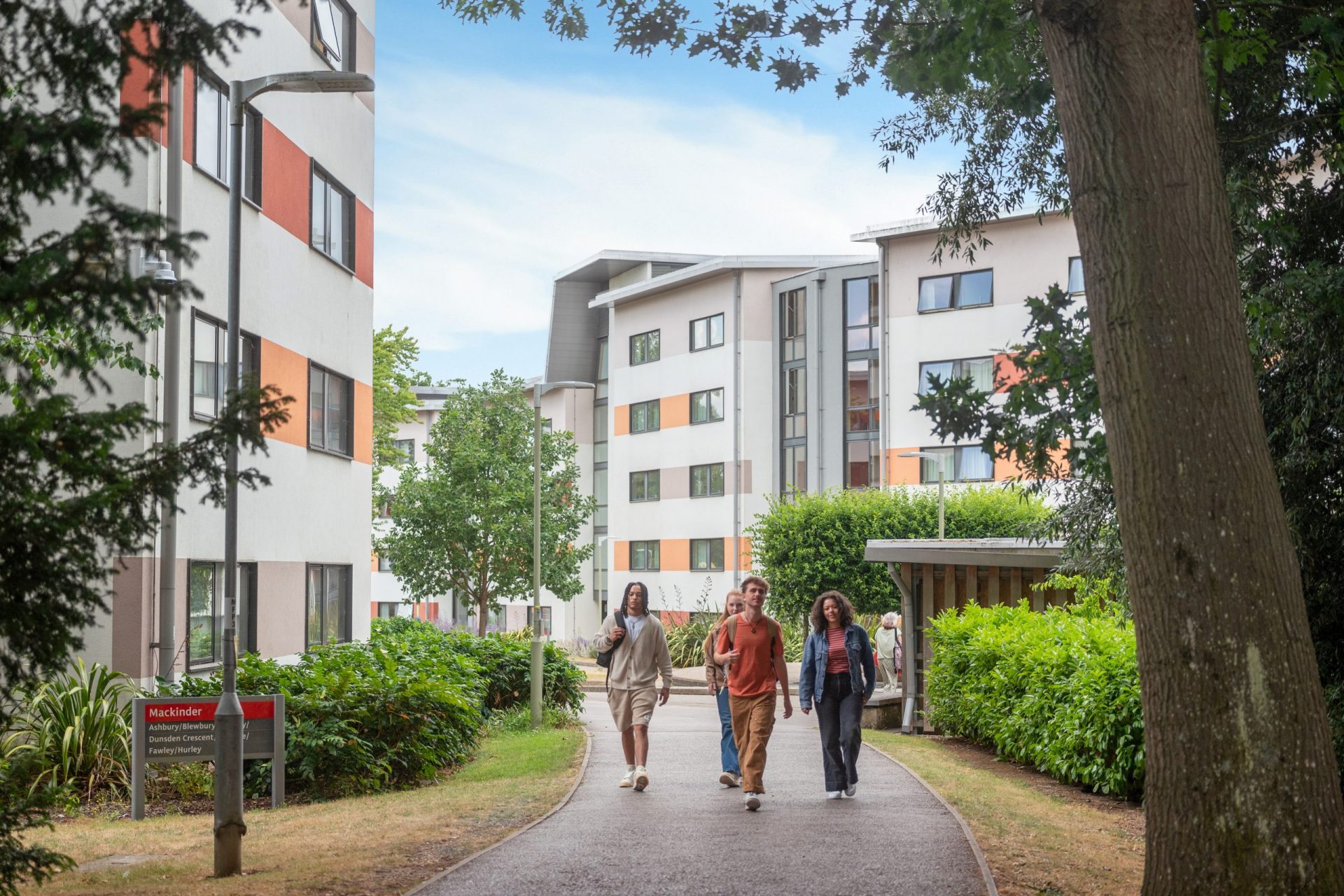
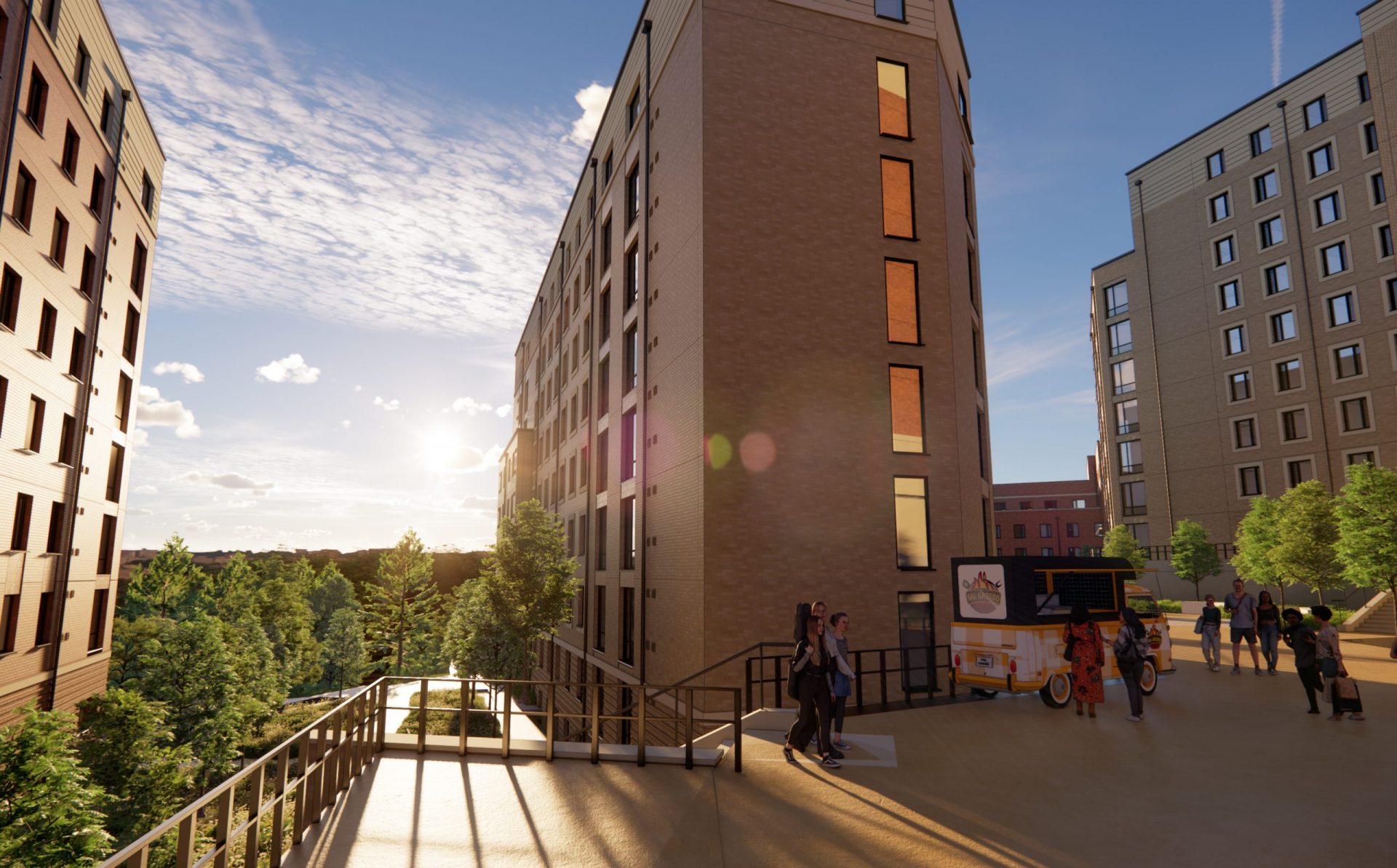
There are some wonderful details in both this report, Moving Away, and its prequel, Somewhere To Live. One anecdote describes students in Paris having to purchase straw bales to sit on while they studied. There is another about UCL providing a coffee house for its commuting students. These examples are a useful reminder that the residential student experience has always been practical as well as philosophical. While the UPP Foundation explores the bigger questions about the role of the residential student, UPP teams are busy with the day-to-day work that makes campus living possible: installing Costa coffee machines at the University of Exeter, introducing a Royal Mail parcel locker at Reading, maintaining rooms and premises, and refurbishing and building new accommodation as is currently happening at the University of Exeter West Park site.
That work comes into sharp focus each autumn. As the UUK conference closes, UPP’s 1,000-strong workforce joins university staff in welcoming thousands of first-year students and increasingly second- and third-year students, as well as postgraduates into their campus homes.
Of course, the financial pressures facing students are real. Many are working significant hours to support themselves, and many have good reasons to remain living at home. In London, for example, plenty of school leavers are now preparing to commute into some of the capital’s finest universities and colleges. There is also much more to say about mature learners, lifelong learning and place-based university planning.
But for most students, moving away to study continues to offer something distinctive. As a first-generation university student who moved away myself, I remember the power of that first room of my own: somewhere nearby to eat, get books, meet others and begin deciding how I wanted to live and develop as a young adult. That experience is not the same for everyone, and it should not be romanticised. But nor should it be underestimated.
The future of the residential university experience will depend on how well universities and partners respond to changing student needs. The challenge is not simply to defend an old model, but to make the case for campus living in a way that is inclusive, evidence-led and alive to the realities of students’ lives today.