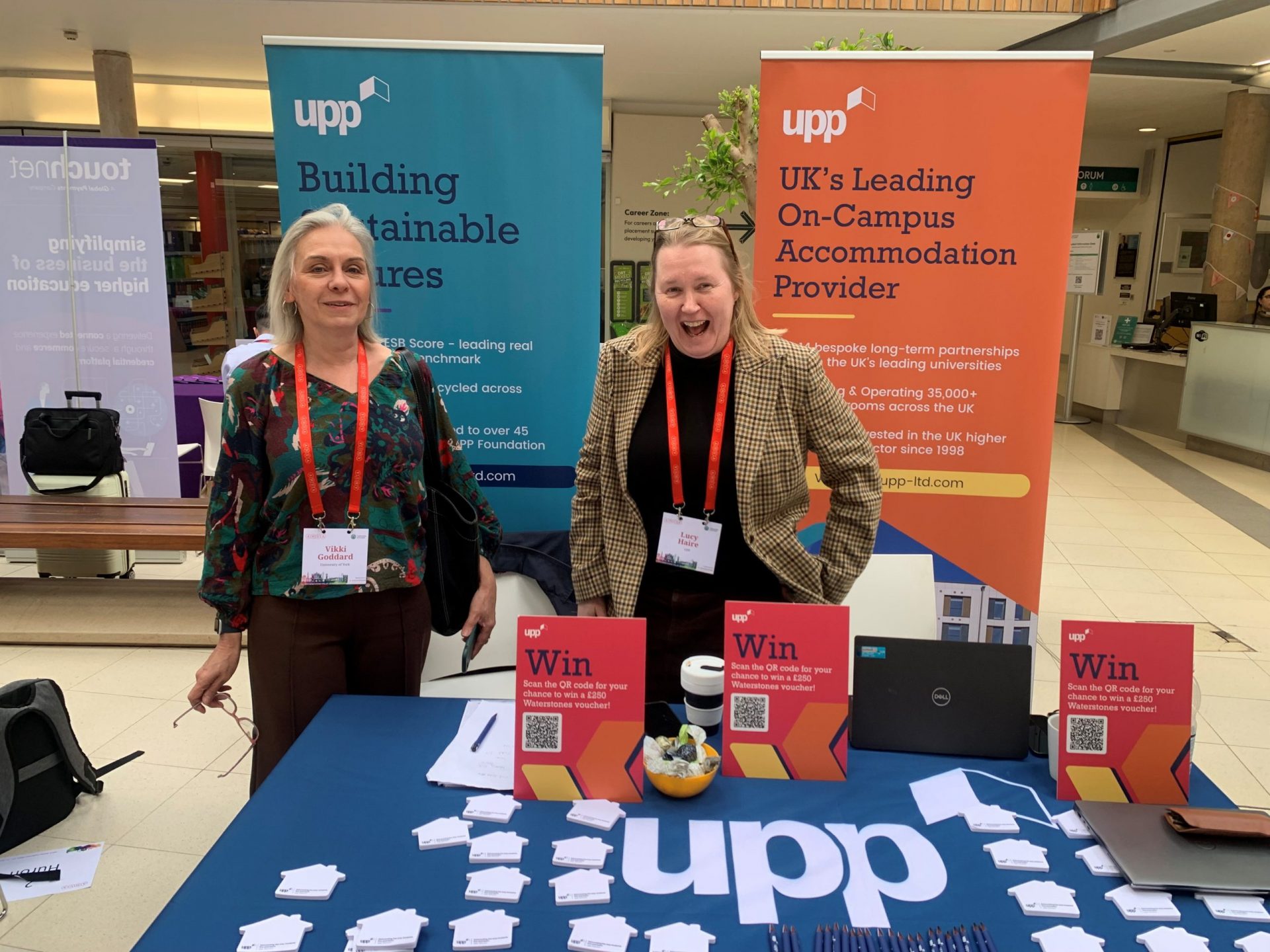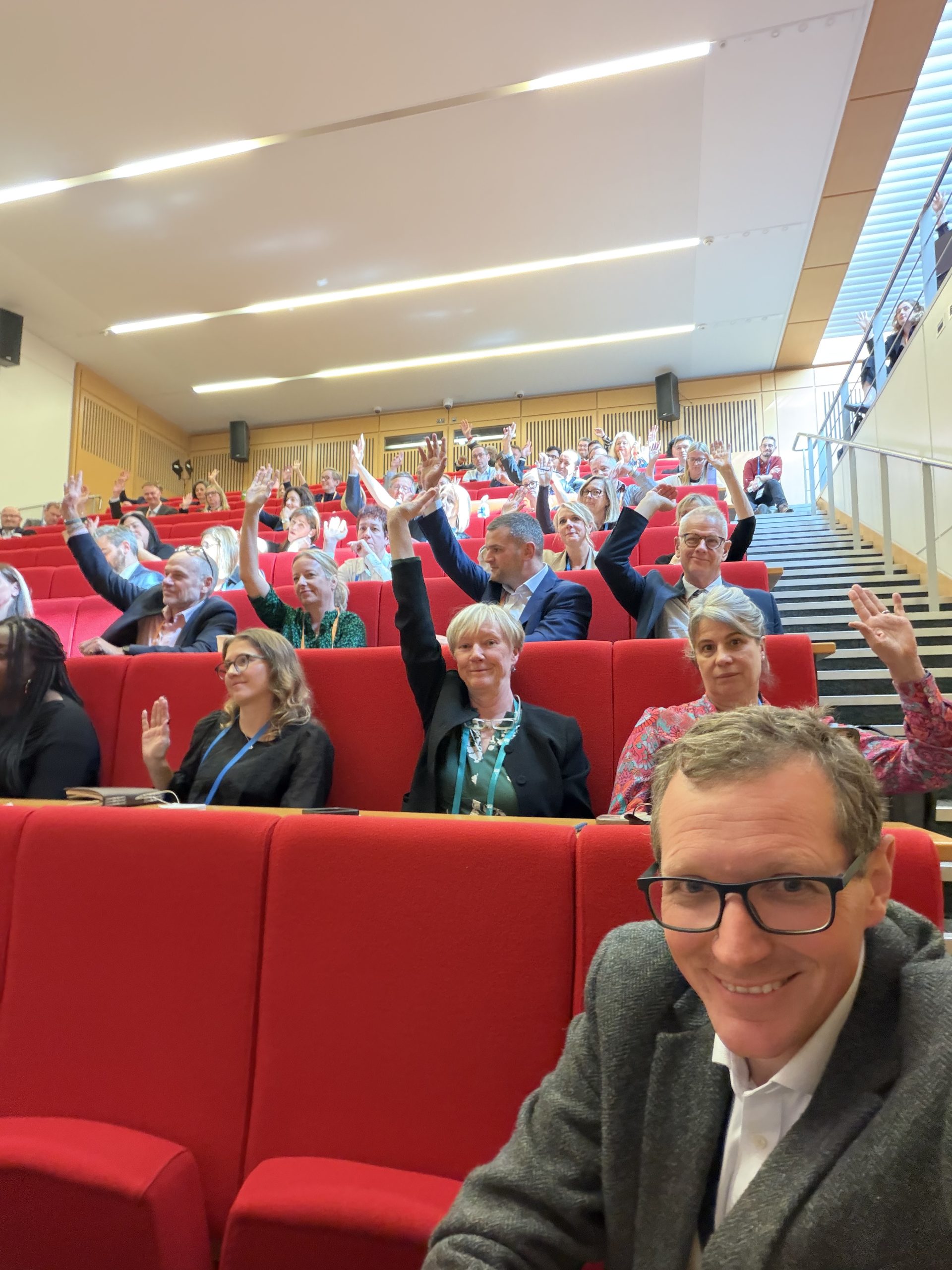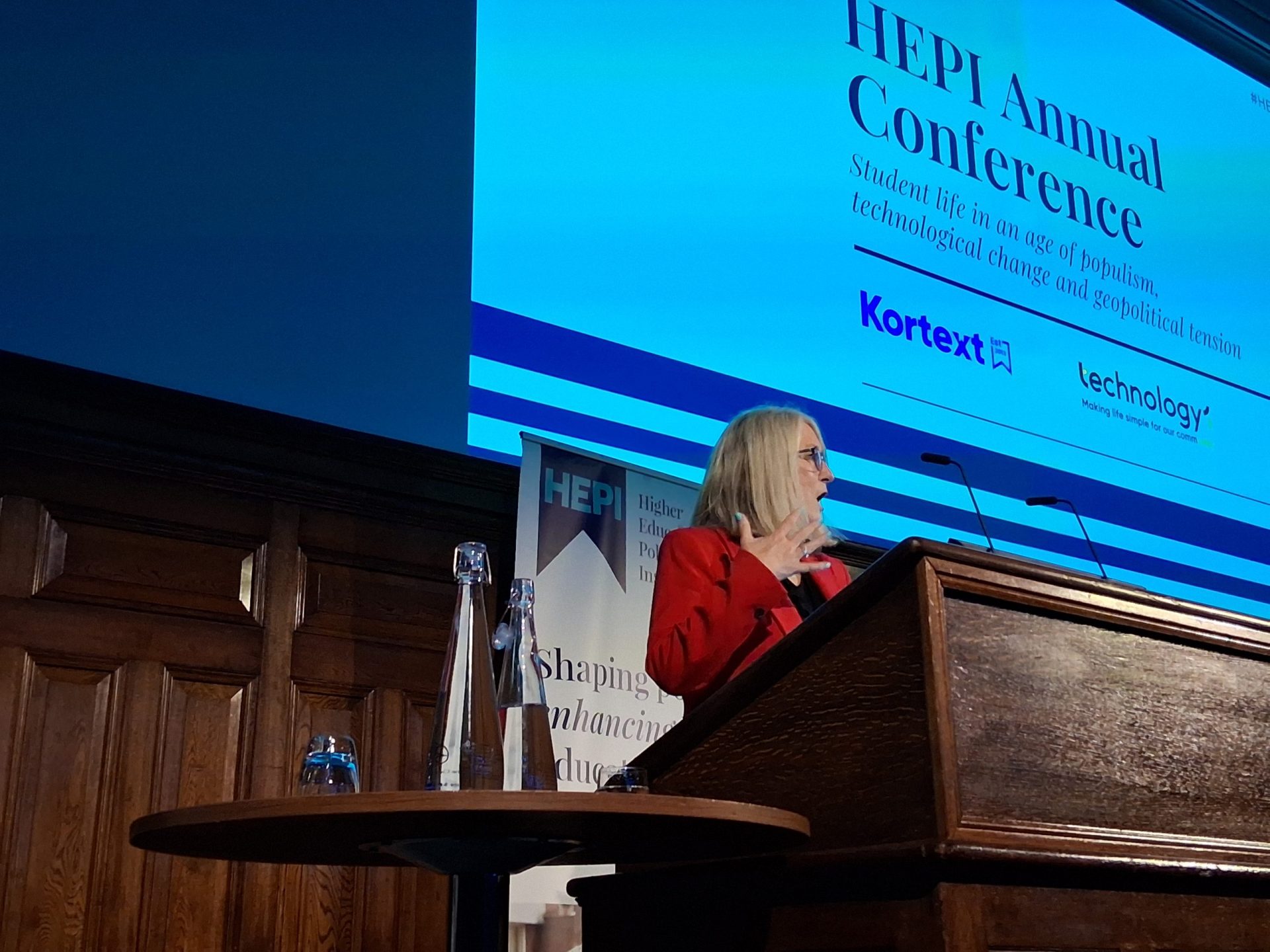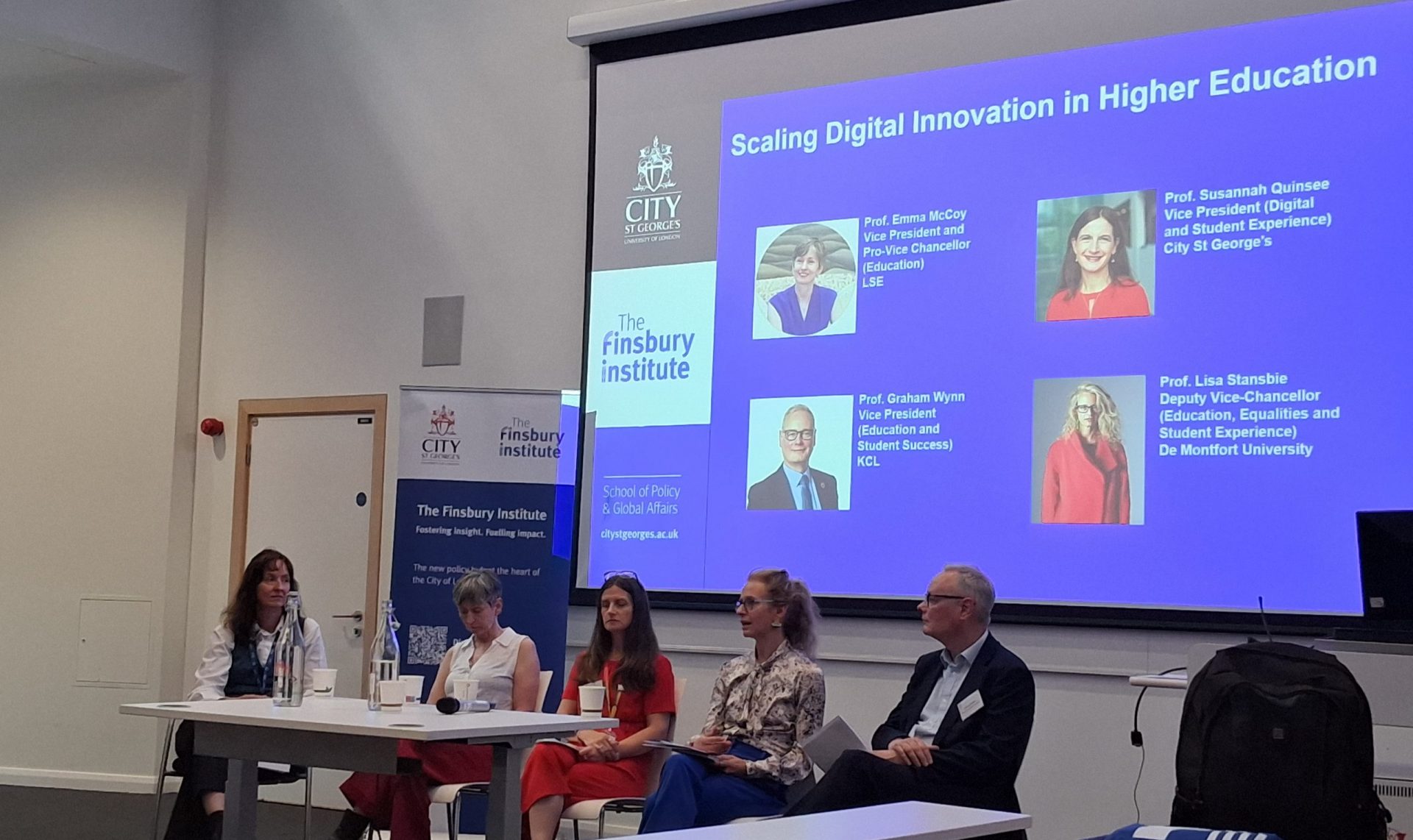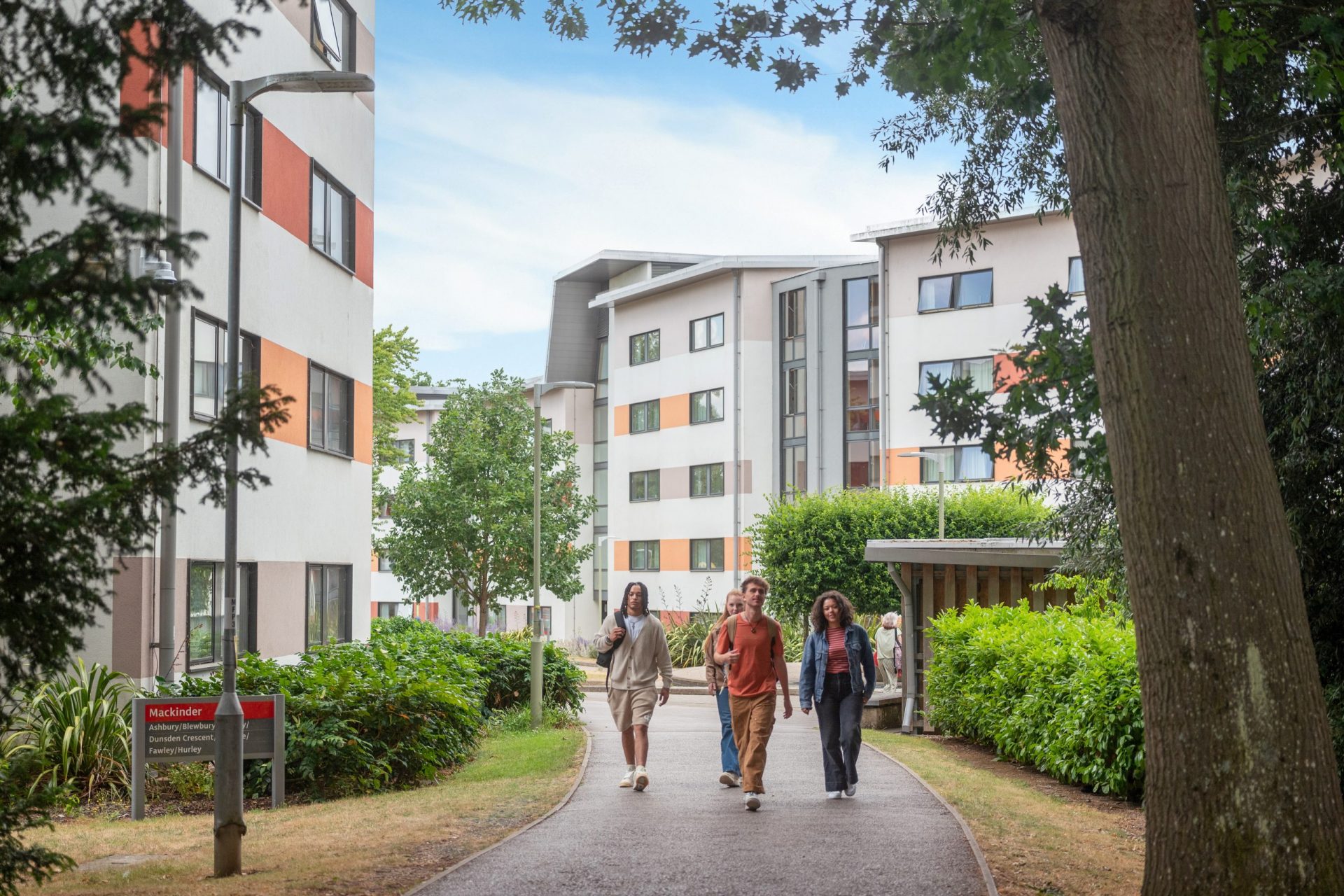
On Thursday 12 November, UPP’s Director of Sector Engagement, Lucy Haire, was joined by Amanda Pettingill, Chief Campus and Commercial Officer at University of Nottingham and Professor Jane McNeil, Pro Vice-Chancellor for Education at Nottingham Trent University, for a round table for CUBO members on the benefits for students to live away from home to study. It was CUBO’s most well-attended round table event ever, with the turnout demonstrating how much the sector cares about the future of the residential university experience.

The session drew on the report commissioned by the UPP Foundation from historian William Whyte. It traces student accommodation from the medieval universities to the present day and concludes that the residential student experience has proved remarkably resilient, despite decades of predictions that it would decline.
A model that has evolved over centuries
How students attend university has changed a great deal. UCL and Manchester, now the UK’s two biggest universities, were founded as commuter universities, and Manchester was built around the growing rail network. Over time, moving away to study became the norm. By the 1980s, fewer than one in ten students commuted from home, helped by students being able to claim housing benefit.
Today the number of students living at home is rising again, and so is financial pressure on students. This is the context for the question at the heart of the session: what makes moving away to study worth it?
Accommodation as part of the education, not a commodity
Amanda Pettingill, Chief Campus and Commercial Officer at the University of Nottingham, one of UPP’s university partners, joined Lucy on the panel. She said the report had given Nottingham an evidence-based foundation for its campus and commercial services strategy.
“The question is no longer simply whether students will continue to move away to university. It’s what makes that experience valuable enough for students to choose to do so and face those costs.”
Amanda highlighted the report’s finding that the share of students doing paid work rose from 35% in 2015 to 68% in 2025. That leaves students with less time to take part in university life. Wonderful extracurricular activities are of little value if students can’t afford the time to join in.
She also stressed that universities can’t keep improving the quality of their accommodation on their own. Long-term partnerships with specialist providers like UPP help deliver the investment needed.
Participation is an equity issue
Professor Jane McNeil, Pro Vice-Chancellor for Education at Nottingham Trent University, another UPP partner, argued that how students live affects how they learn. Not every student has the same time or money to take part in university life.
At NTU, the share of UK undergraduates living at home has risen from around 18% in 2021/22 to about 26–27% this year. To bring every student into the university community, NTU has:
- extended welcome activities well beyond Freshers’ Week
- given every first-year undergraduate a student mentor
- built at least eight weeks of work experience into every undergraduate course, so that access doesn’t depend on spare time, money or contacts.
“Perhaps the important divide isn’t between residential and commuter students at all. It’s between students who can readily access the opportunities university life provides and those whose circumstances make that much harder.”
Making being on campus matter
The panel agreed on one central point. As learning becomes possible from anywhere, the case for campus life gets stronger, but only if universities and their partners make being there worthwhile. Amanda put it simply: “We have to make being somewhere matter.”
That is the purpose behind UPP’s work. Since 1998, we have specialised in on-campus student accommodation, working in long-term partnership with universities to plan and invest for decades ahead. Today we work with 14 university partners and support 33,000 students to thrive daily.
Our partnerships go beyond bricks and mortar. Through our Home at Halls residential life programme, we help students settle in, build friendships and feel they belong. Through the UPP Foundation, we fund research such as this report and support students who face the greatest barriers. One example is a bursary with NTU that provides free first-year accommodation for care-experienced students.
As Lucy said in closing, times are tough for universities and students. That makes it all the more important to keep sight of what a great residential experience can give people, including students from disadvantaged backgrounds. UPP will keep working with our partners to create exceptional residential university experiences that help every student thrive.